The manufacturing floor is moving from manual overriding to networking, and the Electric valve actuator sits at the center of that shift. As industrial valve automation goes mainstream, valves are becoming data points and maintenance alerts, not just control components.
What Are Electric Actuated Valves?
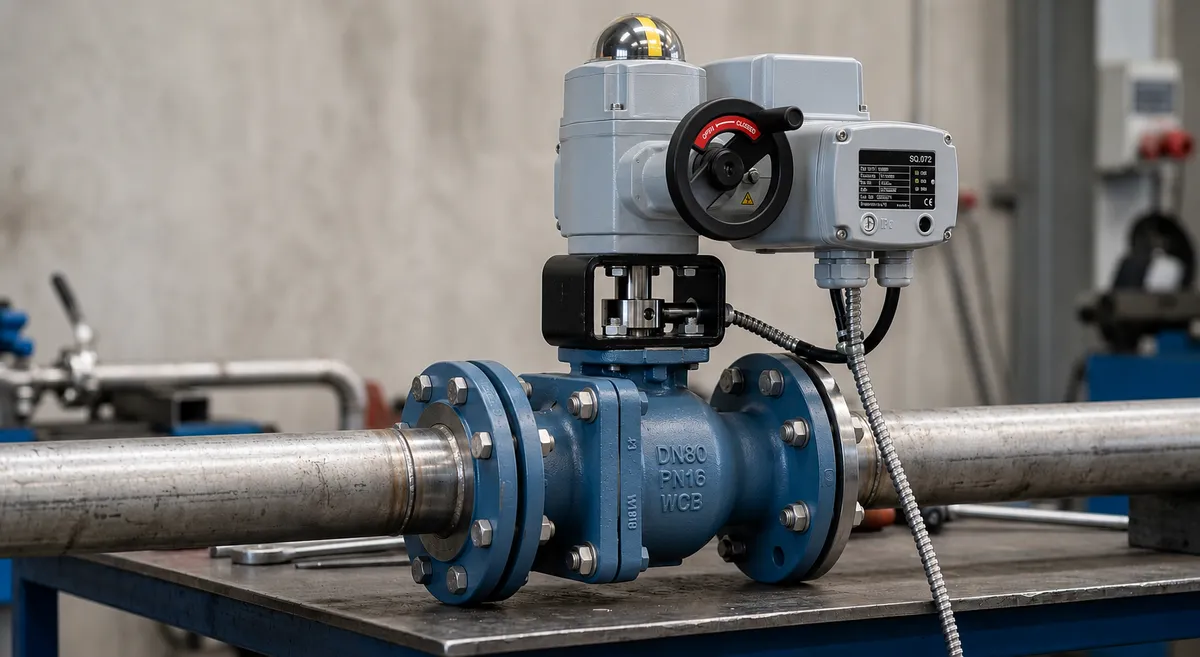
In an Electric actuated valve, there is a valve body combined with a motor operated actuator, which operates according to an electrical signal, instead of a manual or pneumatic actuator used in old machinery.
Core Components
Actuator - motor, gears, and limit switches
Valve body - ball, butterfly, globe, or gate
Controller - translates commands and reports position back to the host system
Types Of Electric actuated valve
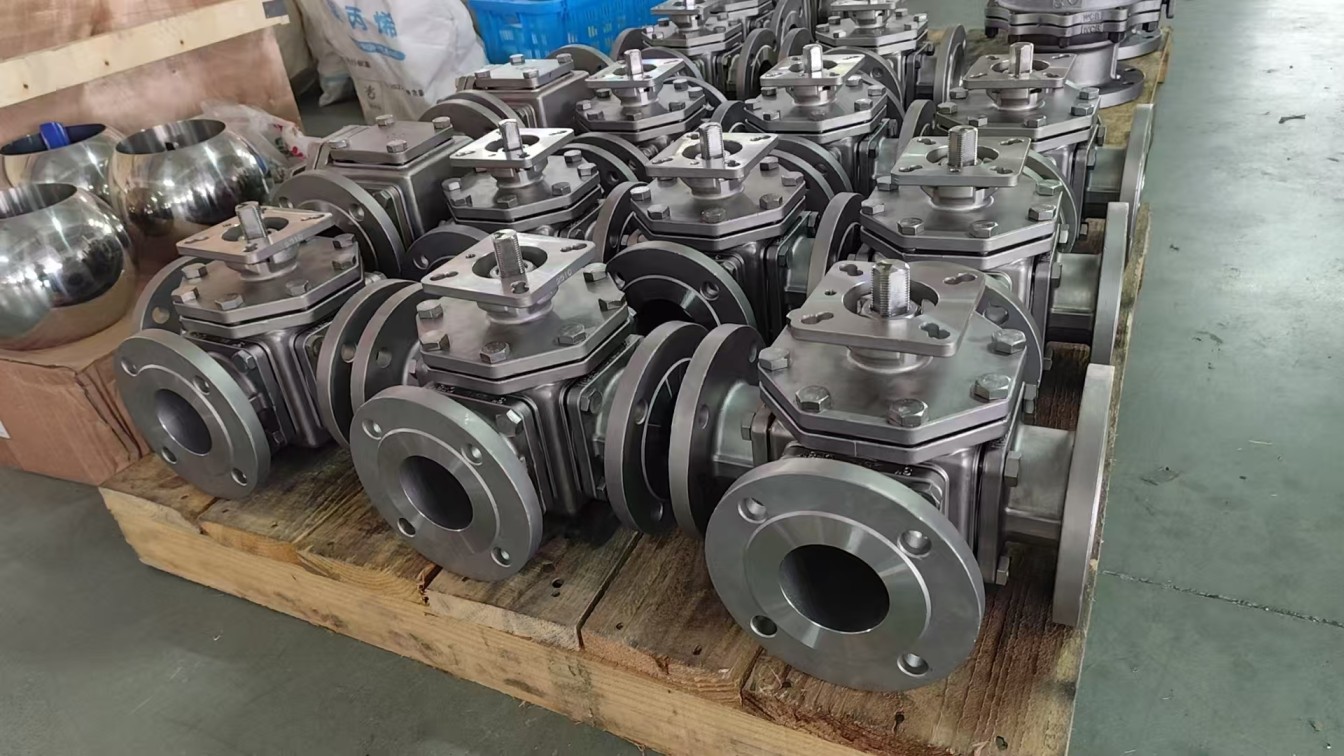
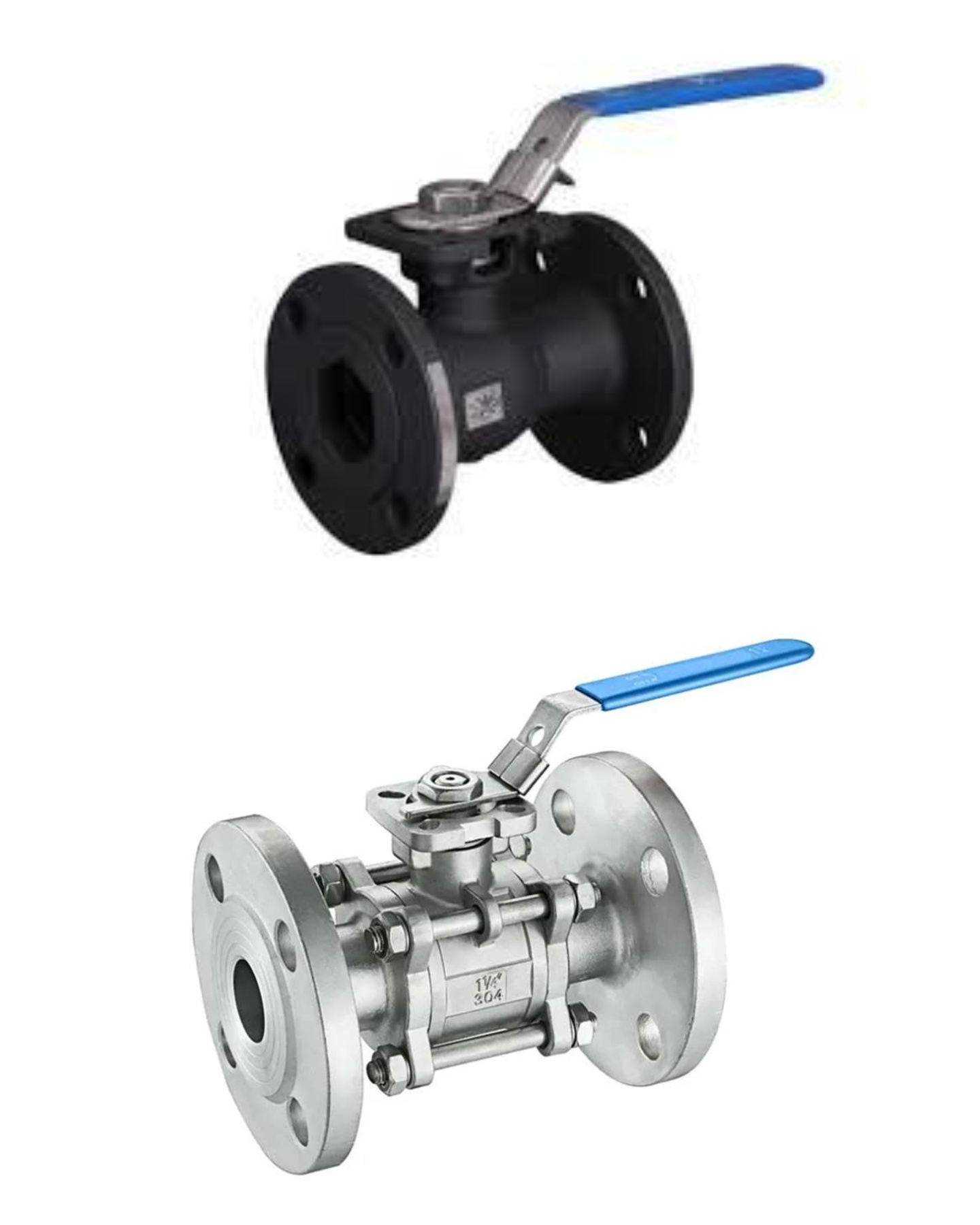
Electric actuated ball valve - rotating bored ball, good for tight shutoff
Electric actuated butterfly valve - rotating disc, suits larger pipe diameters at lower cost
Electric actuated gate valve - linear wedge or disc, used for full-open/full-close isolation on larger lines
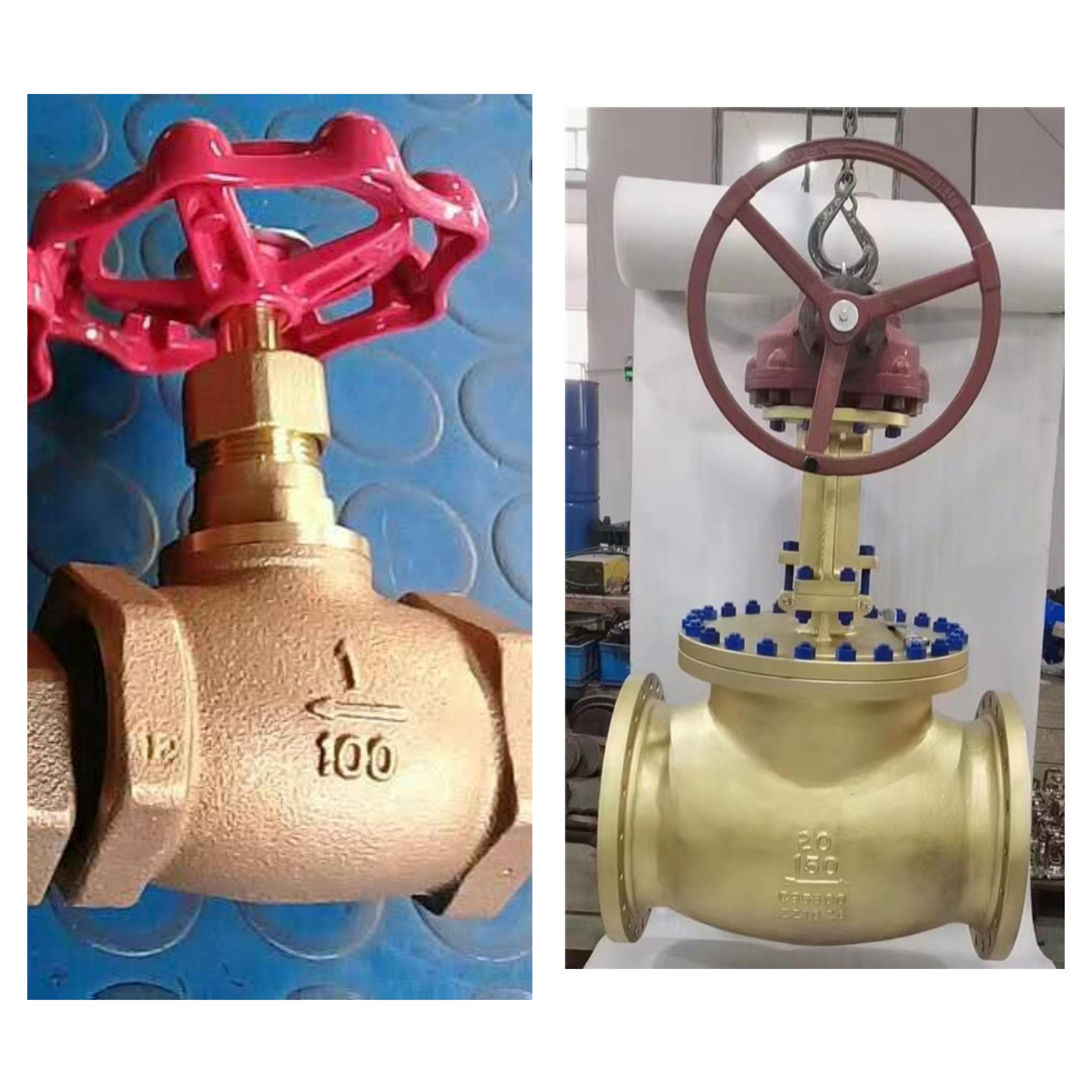
Electric actuated globe valve - linear stem with a movable disc against a seat, suited to throttling and modulating service
Electric actuated knife gate valve - thin, sharp edged gate that shears through slurries, pulp, or fibrous media for clean shutoff
Electric actuated plug valve - rotating tapered or cylindrical plug, offering tight sealing in slurry and abrasive applications
How Electric Actuation Differs from Pneumatic/Hydraulic Systems:
Pneumatic actuators run on compressed air via solenoid valves hydraulic actuators use pressurized fluid
Both require separate utility infrastructure compressors, air dryers, or hydraulic power units
Electric actuators skip this layer entirely, drawing power directly from plant electrical distribution
Only a control signal wire is needed instead of a pneumatic tubing run
Why Smart Factories Are Adopting Electric Actuated Valves
Industry 4.0 and IIoT Compatibility:
Built in microprocessors let actuators communicate natively with higher level systems
No added signal conversion hardware needed between valve and data layer
Fits directly into IIoT network architecture
Real Time Data Monitoring and Predictive Maintenance:
Continuous telemetry: motor current, torque profile, stroke count, temperature
Enables shift from calendar based to condition based maintenance
Torque curve analysis flags stem binding or seat wear before failure
Energy Efficiency vs. Pneumatic Alternatives:
Electric actuators draw current only during a stroke
Pneumatic systems consume compressed air continuously to offset line leakage
Removing compressor, air dryer, and distribution piping lowers overall electrical draw per cycle
Key Technical Specifications to Know
Integration with SCADA, PLC, and DCS Systems
Wiring and Signal Configuration (4-20mA, 0-10V)
Analog control remains common even in digital-forward plants. A 4-20mA current loop signal is the standard for long cable runs because it resists voltage drop and electrical noise, while 0-10V signals are used over shorter distances where wiring runs are simpler.
Feedback Signals for Closed Loop Control
In addition to receiving commands from a system, an actuator sends feedback to the controller, which is usually 4-20 mA or digital positioning information, indicating the physical position of the stem or disc. In this way, the control loop is closed, allowing the PLC or DCS to check whether the desired position has been achieved or not.
Smart Factory Applications
Batch processes - modulating actuators hold repeatable setpoints run after run
Cooling and utility systems - fail-safe on/off actuators isolate loops automatically during upsets
Water/wastewater plants - remote valve monitoring manages distributed valve stations from one control room
Oil, gas, and chemical plants explosion proof actuators paired with torque analytics cut manual inspection in hazardous zones
Benefits of Electric Actuated Valves in Automated Production Lines
Reduced Downtime Through Predictive Diagnostics:
Continuous torque and current monitoring surfaces early warning signs of mechanical wear
Allows maintenance teams to intervene before an unplanned stoppage occurs on the production line
Lower Maintenance Costs:
No compressor, air dryer, or pneumatic tubing network to maintain
Total serviceable component count per valve drops significantly
Reduces recurring maintenance labor and parts spend
Improved Process Consistency:
Modulating electric actuators hold precise intermediate positions repeatedly across thousands of cycles
Keeps flow rates and process variables within tighter tolerance bands
Outperforms manually tuned pneumatic positioners in consistency
The Future of Electric Actuated Valves in Industry 4.0
ML models trained on torque, current, and cycle data catch failure signatures earlier than fixed threshold alarms
Wireless, edge connected actuators process diagnostics locally and send only relevant events upstream, cutting bandwidth load
Choosing the Right Manufacturer
When sourcing electric actuated valves for a smart factory retrofit, working with an established supplier matters as much as the technical spec sheet. SVR Global is one such name in the electric valve automation space, offering a range of motor operated ball, butterfly, gate, and globe valves engineered for IIoT integration and reliable fail-safe performance making it a practical option for plants standardizing on electric actuation across their production lines.