Floating vs Trunnion Ball Valves: How to Select the Right Design
Selecting a ball valve involves more than matching pipe diameter and pressure class. Internal ball support influences sealing performance, operating torque, seat loading, and suitability for different industrial conditions.
When comparing a floating vs trunnion ball valve, the fundamental difference is how the ball responds to pressure. A floating design allows slight ball movement against the downstream seat, while a trunnion-mounted design uses mechanical supports to hold the ball in position.
Understanding these differences helps engineers select the appropriate construction for process piping, transmission pipelines, and high-pressure isolation systems.
What Is a Floating Ball Valve?
A floating ball valve uses a spherical ball supported by its seats rather than fixed mechanical supports. The ball connects to the stem and allows limited movement in the direction of fluid flow.
When closed, upstream pressure forces the ball against the downstream seat, establishing a tight seal. This construction is commonly preferred for smaller pipeline connections where seat loading and operating torque remain manageable.
Key characteristics:
Simple construction with fewer internal components.
Compact design for smaller pipeline diameters.
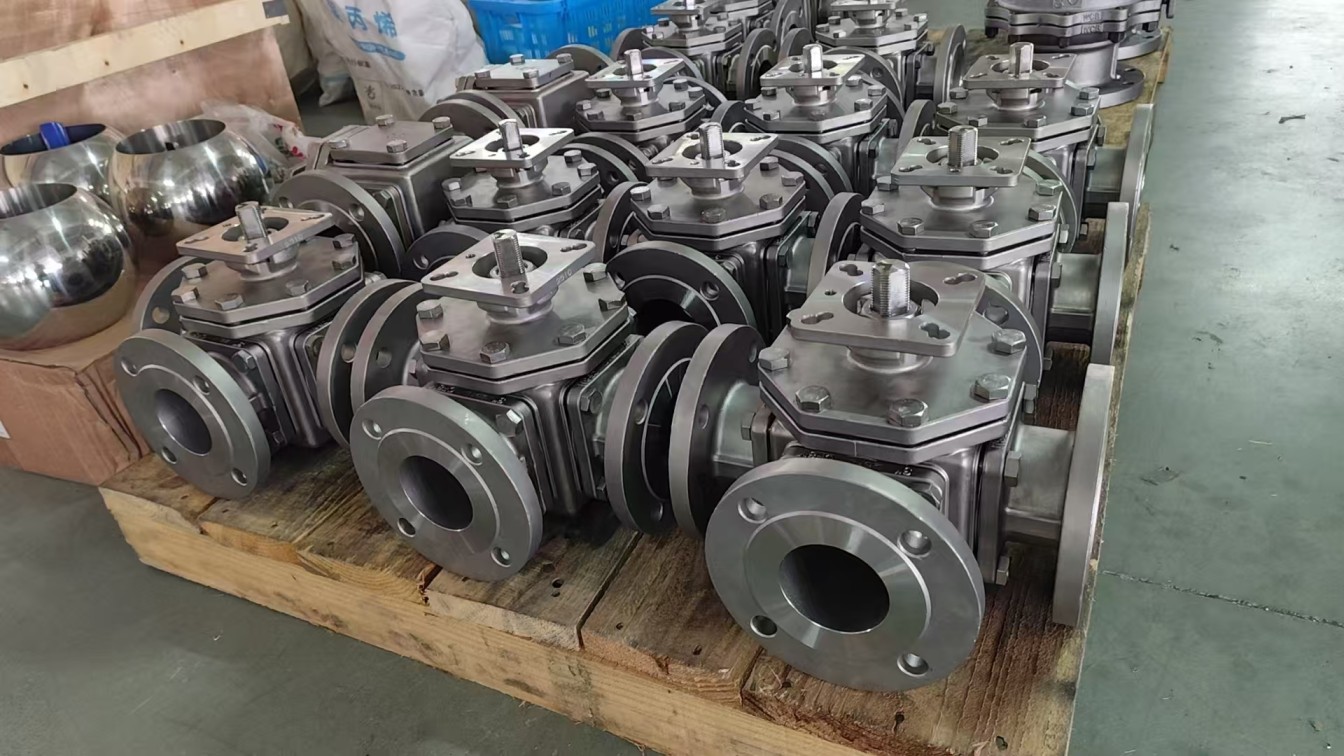
Available in threaded, socket-weld, butt-weld, and flanged configurations.
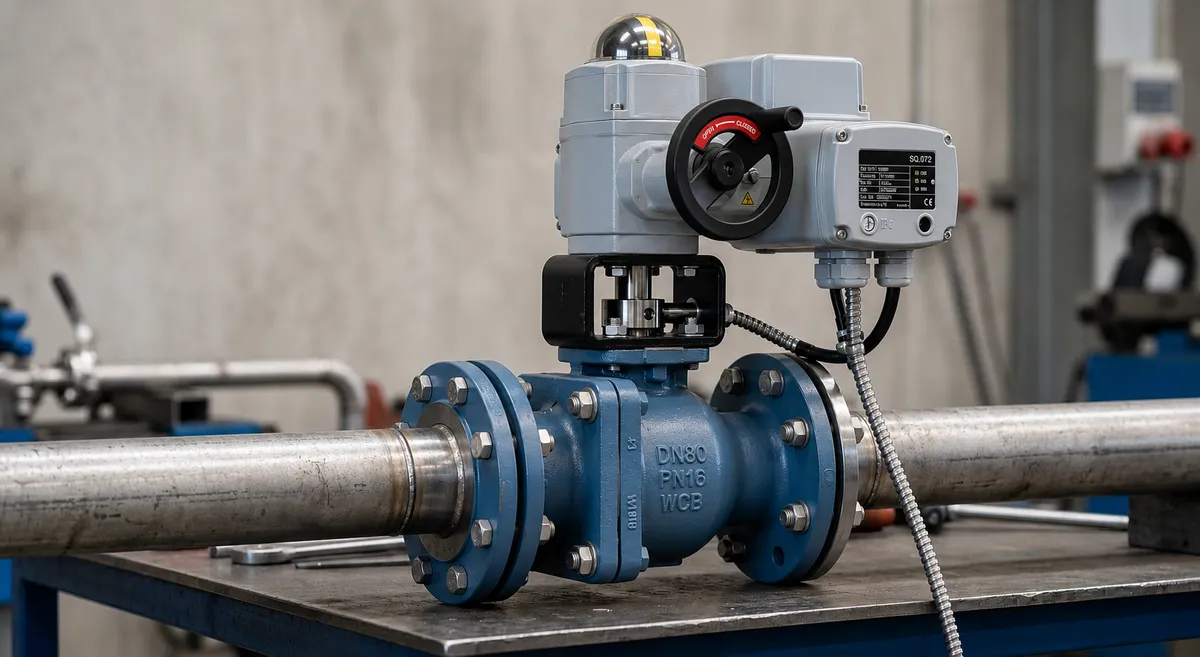
Suitable for manual, pneumatic, and electric operation.
Available in different pressure classes and material grades.
Floating ball valves are used in chemical processing, oil and gas equipment, utility lines, and industrial fluid distribution.
Explore SVR Global's Floating Ball Valve for available product configurations.
What Is a Trunnion Ball Valve?
A trunnion-mounted ball valve uses mechanical supports above and below the ball to restrict movement under differential pressure. Instead of relying on ball displacement, its seats establish sealing contact through spring force and pressure assistance.
This arrangement reduces pressure-induced loading on the operating mechanism and makes trunnion construction suitable for large-diameter and demanding isolation duties.
Key characteristics:
Mechanically supported ball construction.
Manageable operating torque under substantial differential pressure.
Spring-energized sealing arrangements.
Suitable for large-bore pipeline installations.
Available with specialized seat and cavity-pressure management systems.
Supports double block and bleed functionality in qualified configurations.
Trunnion ball valves are frequently installed in natural gas transmission, crude oil pipelines, petrochemical facilities, and storage terminals.
View SVR Global's Trunnion Ball Valve for additional technical information.
Floating vs Trunnion Ball Valve: Key Differences
Both constructions provide quarter-turn isolation, but their internal arrangements influence selection.
Neither construction is universally superior. Selection depends on operating conditions, sealing requirements, maintenance considerations, and overall project specifications.
How to Select Between Floating and Trunnion Ball Valves
1. Operating Pressure and Differential Pressure
Engineers should evaluate maximum differential pressure rather than relying only on the pipeline's nominal pressure rating.
In floating designs, differential pressure creates a force that increases contact between the ball and downstream seat. This supports sealing but can also increase friction.
Trunnion construction transfers much of the ball load through its supporting components, making it advantageous where substantial pressure differences occur.
2. Valve Diameter and Actuation
As valve bore increases, the projected area exposed to differential pressure becomes larger. Consequently, the force acting on internal components also increases.
Floating designs are often economical for smaller connections, while supported-ball construction becomes attractive for larger installations.
For actuated valves, engineers must verify breakaway torque, running torque, maximum differential pressure, operating frequency, and actuator safety margins.
3. Sealing Performance and Seat Design
Both constructions can provide tight shutoff when manufactured and tested to the required specifications.
Floating valves primarily use pressure-assisted downstream sealing. Trunnion valves may incorporate single-piston-effect (SPE) or double-piston-effect (DPE) seats.
SPE arrangements can allow body-cavity pressure to relieve through the seat under specified conditions. DPE arrangements provide pressure-assisted sealing from both directions but generally require a suitable cavity-pressure relief provision.
4. Body Materials and Seat Selection
Material selection depends on fluid characteristics, operating temperature, corrosion exposure, and mechanical requirements.
PTFE and reinforced PTFE are commonly used for soft-seated isolation valves. PEEK may be selected where additional mechanical strength or temperature resistance is required within its qualified operating limits.
Metal-seated constructions are used for selected high-temperature or abrasive applications.
Material compatibility, seat limits, pressure-temperature ratings, and relevant inspection requirements should be checked together.
Industrial Applications
Oil and Gas Production
Floating ball valves are used for smaller equipment connections, auxiliary piping, and process isolation. Trunnion-mounted designs are selected for larger production headers, gathering systems, and demanding pressure conditions.
Transmission Pipelines
US natural gas and crude oil transmission networks frequently use large-bore trunnion ball valves for mainline isolation. Their supported construction is suited to substantial differential pressures and actuator-operated service.
Chemical and Petrochemical Plants
Floating valves are commonly installed on smaller process lines, while trunnion designs serve larger headers and demanding isolation points. Chemical compatibility and seat material selection are essential for both.
LNG Facilities
LNG applications require special consideration of cryogenic temperatures, thermal contraction, and sealing materials.
Both designs can be manufactured for cryogenic service when the complete assembly is qualified. Large LNG isolation installations may use specialized trunnion valves with suitable low-temperature components and cavity-pressure protection.
Ball Valve Design and Testing Standards
Relevant industry standards include:
API 6D: Requirements for pipeline valves used in petroleum and natural gas transportation.
API 608: Requirements for metal ball valves within its scope.
ASME B16.34: Valve pressure-temperature ratings, materials
API 598: Inspection and pressure-testing requirements.
API 607: Fire testing of quarter-turn valves with metallic or nonmetallic seats and certain other valves with nonmetallic seating.
Quick Selection Checklist
Before finalizing the valve design, confirm:
Maximum operating and differential pressure.
Nominal diameter and required pressure class.
Fluid composition and operating temperature.
Seat construction, shutoff requirements, and cavity-pressure protection.
Operating method and actuator torque
These parameters provide a practical basis for comparing available valve configurations.
Choosing the Right Ball Valve for Your Project
A floating ball valve is generally suitable for smaller process connections where compact construction and manageable operating torque are priorities. Trunnion-mounted valves offer advantages in larger pipelines, substantial differential-pressure duties, and installations requiring specialized sealing arrangements.
SVR Global supplies floating, trunnion-mounted, forged, cast, and actuated ball valves for industrial projects across the USA, including oil and gas, petrochemical, and power-generation facilities.
Explore SVR Global's complete range of Ball Valves and share your size, pressure class, material, temperature, end connections, and quantity to identify a suitable configuration.