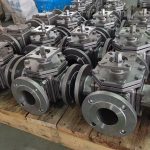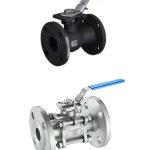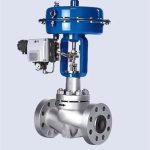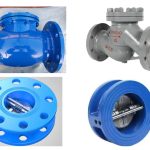
Extreme conditions like seawater exposure, aggressive chemicals, and high temperatures challenge conventional valves and that’s where titanium valves excel. Choosing the best valve material in contemporary marine and industrial settings could determine if you get dependable performance or recurring maintenance problems. The best option for important maritime systems and challenging chemical processing facilities is titanium because of its special mix of high strength, great resistance to corrosion, and lightweight design.
Engineers and procurement teams especially need to know how titanium valves act under different pressure, temperature, and chemical conditions. SVR Global provides valves suited to manage harsh conditions including acidic liquids, corrosive seawater, and other difficult settings. Working with a Manufacturer in USA ensures that material selection, design, and pressure ratings meet project specifications and operating requirements.
Why Titanium Valves Are Used
Titanium’s inherent material properties make it superior to conventional metals in certain applications:
- Corrosion Resistance: Titanium creates a robust oxide layer that fights many acids as well as chloride-rich settings and salt water.
- High Strength-to-Weight Ratio: Lighter than valves made of stainless steel or carbon steel, this cuts down on how much support they need.
- Temperature Tolerance: Usually -196°C to +400°C, depending on the alloy, preserves mechanical integrity at both cryogenic and high temperatures.
- Longevity: Outstanding resistance to erosion, pitting, and crevice corrosion guarantees a long service life with little upkeep.
Titanium valves are a good option where standard steel or stainless steel valves could jeopardize system efficiency, safety, or downtime, or failure of them could compromise safety.
Typical Titanium Valve Types
Titanium valves are manufactured in various types to suit flow control and isolation requirements:
| Valve Type | Description | Common Marine/Chemical Applications |
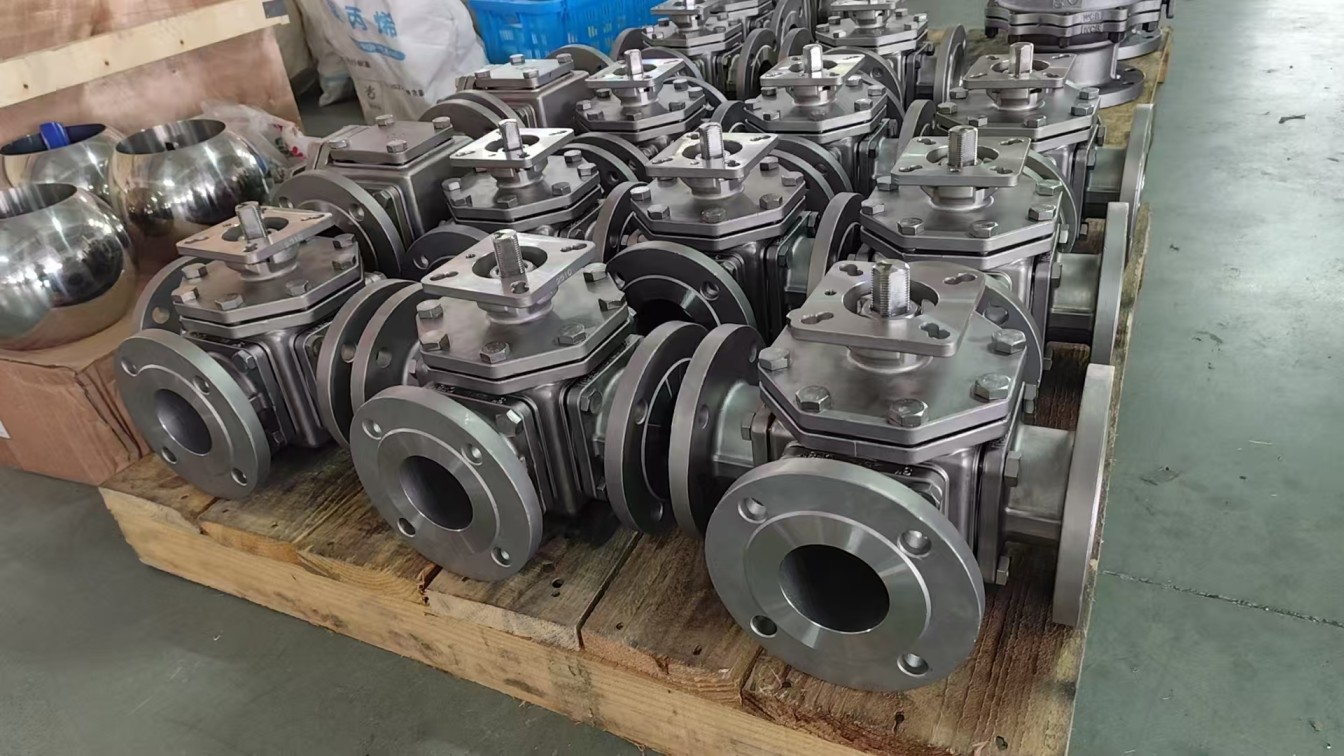
| Ball Valves | Full bore or reduced bore; quick on/off operation | Seawater lines, chemical injection, cooling circuits |
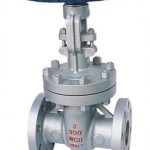
| Gate Valves | Rising or non-rising stem; isolation valve | Ballast water, process piping, high-flow chemical lines |
| Globe Valves | Linear flow control; precise throttling | Corrosive chemical feed, dosing lines, pH control systems |
| Check Valves | Prevents backflow; spring-assisted or swing type | Pump discharge lines, seawater circulation, chemical circulation loops |
| Butterfly Valves | Quarter-turn, lightweight; good for throttling and isolation | Cooling water systems, marine HVAC loops, chemical circulation |
| Diaphragm Valves | Flexible diaphragm seals flow; excellent for corrosive or slurry media | Acidic chemical lines, process skids, sensitive chemical dosing |
Technical Ranges
Titanium valves are engineered to meet rigorous operational requirements:
| Parameter | Typical Range |
| Size Range | DN 15 – DN 600 |
| Pressure Class | PN 10 – PN 40 / Class 150–300 |
| Temperature Range | –196°C to +400°C (depending on titanium alloy) |
| Material | Titanium Grade 2 (CP-Ti), Titanium Grade 5 (Ti-6Al-4V) |
| Standards | ASTM B367, ASME B16.34, API 602 |
These ranges make titanium valves suitable for both low-pressure marine piping and high-pressure chemical process loops.
Technical Performance Parameters for Titanium Valves
Titanium valves are made to withstand harsh environments when regular materials would typically fail. They are appropriate for chemical and marine systems as they are strong, corrosion resistant, and thermally stable. Correct knowledge of technical performance guarantees long service life and dependable operation..
Key Performance Parameters:
- Pressure Class: PN 10–PN 40 / Class 150–300
- Temperature Range: Grade 2: moderate temperatures, Grade 5 (Ti-6Al-4V): up to +400°C, Cryogenic service down to –196°C
- Flow Considerations: Assess pressure drop and flow coefficient (Cv); high-velocity lines need erosion and cavitation control.
- Durability: Strong tensile strength and high fatigue resistance; vibration, pulsation, and thermal cycling resistant
- Applications: Seawater circulation, chemical dosing lines, offshore pipelines
Marine Applications
Titanium valves excel in marine systems due to their resistance to seawater corrosion, lightweight structure, and high fatigue strength:
- Seawater Cooling Systems: Heat exchangers and pumps benefit from titanium valves resistance against chloride-induced corrosion and pitting..
- Ballast and Bilge Systems: Lightweight design lowers structural load on ships while withstanding saltwater and brackish exposure.
- Desalination Plants: Titanium guarantees long-term dependability by avoiding salt-induced corrosion and scaling.
- Offshore Platforms: Salt spray and harsh maritime environments call for valves able to function reliably under continuous load and vibration.
These valves increase equipment life, lower maintenance frequency, and provide dependable performance in vital marine surroundings.
Chemical Processing Applications
Titanium valves are equally valuable in chemical systems, where corrosion and temperature extremes are common:
- Acid Handling Systems: Titanium’s resistance to hydrochloric, sulfuric, and phosphoric acids prevents leakage and pitting.
- Chloride-Rich Media: Stainless steel often suffers pitting in high-chloride environments; titanium resists this entirely.
- Cooling and Circulation Loops: Lightweight titanium valves reduce pump load while maintaining chemical compatibility.
- High-Purity Applications: Titanium valves are compatible with high-purity chemicals, making them suitable for pharmaceutical and specialty chemical processing.
By matching titanium alloys to specific chemical environments, engineers can ensure reliable operation without compromising flow control or safety.
Standards, Testing, and Material Verification
Ensuring reliability requires adherence to recognized standards and rigorous testing. Engineers and procurement teams need to verify that titanium valves meet project requirements for safety, corrosion resistance, and operational performance.
| Aspect | Details |
| Material Grades | Grade 2 (CP-Ti), Grade 5 (Ti-6Al-4V) |
| Standards Compliance | ASTM B367/B348, ASME B16.34, API 602 |
| Testing | Hydrostatic pressure testing, dimensional verification, PMI (Positive Material Identification) |
| Procurement Assurance | Ensures traceable documentation and compliance with marine and chemical application specifications |
Engineering Considerations
Although titanium valves have great strength and corrosion resistance, a thorough engineering study is necessary for dependable long-term performance. Designers have to think about how things are made, how well they work with other things, and how things flow to make sure they last long enough in tough chemical and marine uses.
- Fabrication and Welding: To guard against contamination or embrittlement, titanium needs regulated welding methods.
- Cost: More expensive to start than stainless steel or carbon valves; lifecycle advantages usually make up for the cost.
- Compatibility: To stop galvanic corrosion, make sure bolts, seals, and gaskets can work with titanium.
- Flow Velocity: Too much velocity can even wear titanium; thus, it’s important to make sure things are sized properly.
Careful attention to these elements helps engineers to guarantee that titanium valves provide dependable, safe, and efficient performance in chemical and marine environments.
Conclusion
In marine and chemical systems where other materials fail, titanium valves offer unrivaled performance. Specifying titanium valves requires engineers and procurement teams to thoroughly consider corrosion potential, working temperature, pressure class, media compatibility, and flow properties. Fatigue resistance, erosion potential, and thermal cycling behavior all help to guarantee dependable, long-term performance in tough industrial settings.
By collaborating with a technically experienced Manufacturer in USA such as SVR Global, teams can ensure valves are manufactured to precise standards, correctly sized, and suited for demanding service conditions. Proper evaluation and early material selection help achieve reliable operation, reduced maintenance, and predictable service life.
Whether designing seawater circulation systems, offshore platforms, or chemical processing pipelines, titanium valves are a high-performance solution that combines strength, corrosion resistance, and durability for challenging applications.