Introduction
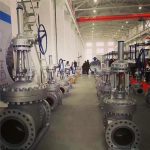
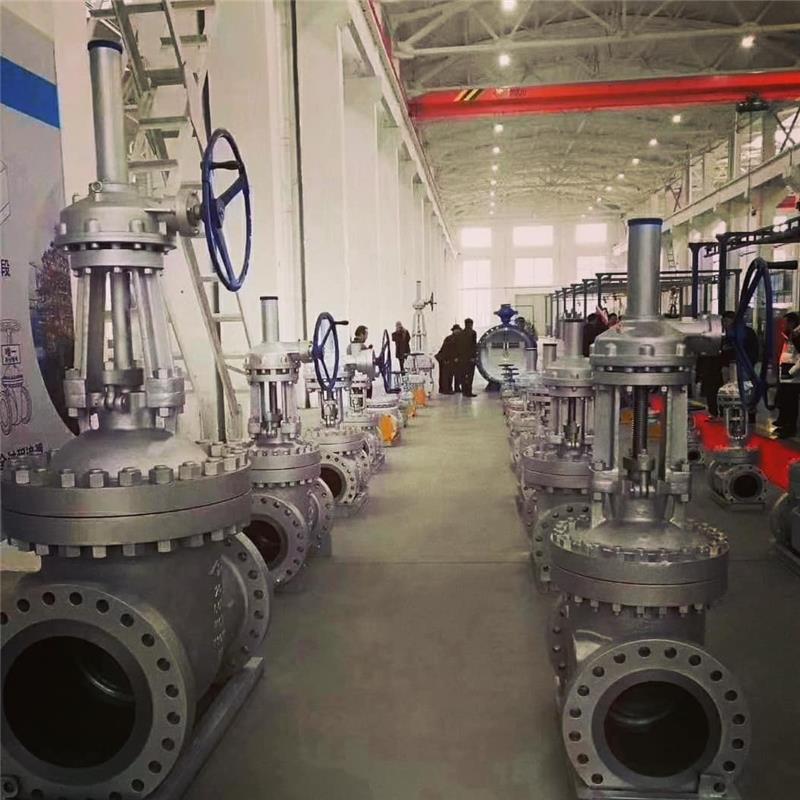
Refinery environments operate at the intersection of extreme pressure, elevated temperatures, and volatile hydrocarbons. In such high-risk conditions, even a minor deviation from approved specifications can result in safety hazards, costly shutdowns, or environmental incidents. This is why understanding Valve Standards Commonly Used in Refinery Projects is critical for engineers, EPC contractors, and procurement teams.SVR Global, a Manufacturer in USA, align their valve production with internationally recognized standards to ensure reliability and compliance in refinery applications.
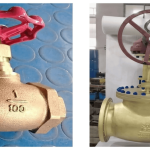
From crude distillation units to hydrocracking and reforming systems, refinery valves must conform to globally accepted refinery valve standards that verify structural strength, pressure containment capability, fire-safe performance, and emission control. These industrial valve standards form the technical foundation for safe and efficient hydrocarbon processing.
In this blog, we will examine the key API valve standards, ASME specifications, material codes, inspection and testing requirements, and compliance frameworks that guide valve selection and qualification in refinery projects.
Why Valve Standards Matter in Refinery Projects
Refineries handle flammable fluids, corrosive chemicals, and high-pressure steam systems. The valves installed across process units perform critical roles such as:
- Isolating equipment during maintenance
- Regulating process flow
- Managing pressure surges
- Preventing backflow
- Protecting against overpressure events
Adhering to recognized oil and gas valve codes guarantees valves can perform under such demanding conditions. These standards define:
- Pressure-temperature ratings
- Design construction criteria
- Material specifications
- Inspection and testing procedures
- Fire-safe and emission compliance
Without alignment to approved refinery compliance requirements, valve performance and plant safety may be compromised.
Major Valve Standards Commonly Used in Refinery Projects
1. API Standards (American Petroleum Institute)
API standards are widely adopted across global refinery projects. These API valve standards specify design, manufacturing, and testing requirements for valves operating in hydrocarbon service.
Key API standards include:
- API 600 – Steel gate valves for refinery applications
- API 602 – Compact forged gate, globe, and check valves
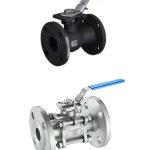
- API 608 – Metal ball valves
- API 609 – Butterfly valves
- API 6D – Pipeline valves
- API 598 – Valve inspection and testing
- API 607 / API 6FA – Fire-safe testing
These standards define sealing performance, wall thickness, bolting requirements, and inspection criteria necessary for refinery-grade valves.
2. ASME Standards (Pressure and Design Requirements)
The American Society of Mechanical Engineers (ASME) establishes critical pressure rating standards for refinery valves.
Important ASME valve specifications include:
- ASME B16.34 – Pressure-temperature ratings for valves
- ASME B16.5 – Flanged connections
- ASME B16.10 – Face-to-face dimensions
- ASME B16.25 – Welding end preparations
ASME classifications such as Class 150, 300, 600, 900, 1500, and 2500 guide engineers in selecting valves suitable for specific refinery pressure conditions.
Matching pressure class with process conditions is fundamental in refinery valve engineering.
3. ASTM Material Standards
While API and ASME focus on design and ratings, ASTM standards govern material composition and mechanical properties.
Common refinery valve materials include:
- ASTM A216 WCB – Carbon steel
- ASTM A351 CF8M – Stainless steel
- ASTM A105 – Forged carbon steel
- ASTM A182 F51 – Duplex stainless steel
These material standards for valves ensure strength, corrosion resistance, and compatibility with hydrocarbons and chemical media.
4. ISO Standards for International Compliance
Many refinery projects reference ISO standards, especially in multinational or EPC-led developments.
Key ISO standards include:
- ISO 5208 – Pressure testing procedures
- ISO 10497 – Fire testing requirements
- ISO 15848 – Fugitive emission control
ISO guidelines complement API and ASME requirements by addressing environmental performance and leakage control.
5. NACE Standards for Sour Service
Refineries processing hydrogen sulfide or sour gas environments must comply with NACE MR0175 / ISO 15156.
These corrosion standards define material selection criteria to prevent:
- Sulfide stress cracking
- Hydrogen embrittlement
- Premature material failure
In sour service conditions, NACE compliance is not optional it is mandatory for long-term performance.
Fire-Safe and Emission Testing Standards
Refinery valves must perform even under fire exposure. API 607 and API 6FA validate fire-safe performance by confirming sealing capability during and after fire conditions.
Similarly, ISO 15848 fugitive emission testing standards address leakage of volatile organic compounds. In modern refineries, emission control is both a regulatory and environmental priority.
Meeting these testing standards for valves enhances operational integrity and environmental responsibility.
Pressure-Temperature Ratings and Refinery Selection
One of the most critical elements of Valve Standards Commonly Used in Refinery Projects is pressure-temperature classification.
ASME B16.34 provides detailed rating charts correlating:
- Pressure class
- Operating temperature
- Material type
For example:
- Class 150 valves serve moderate-pressure systems.
- Class 600 and above are required in high-pressure hydroprocessing units.
Selecting the appropriate class prevents overstressing, fatigue failure, and unplanned downtime.
Inspection and Quality Control in Refinery Valves
Before deployment in refinery applications, valves undergo strict inspection procedures, including:
- Hydrostatic shell testing
- Seat leakage testing
- Pneumatic pressure tests
- Fire testing validation
- Material traceability verification
API 598 and ISO 5208 define acceptable leakage criteria and testing durations. Third-party inspections are often required in EPC refinery projects.
Complete documentation, mill test certificates, and traceability reports are essential components of refinery compliance.
Global and Client-Specific Refinery Requirements
While API and ASME dominate most refinery valve standards, additional requirements may apply depending on project location and client specifications.
European refinery projects may reference EN standards. Middle Eastern projects often incorporate customized engineering specifications. EPC contractors frequently demand enhanced documentation and testing procedures beyond baseline codes.
Manufacturers supplying refinery-grade valves must therefore align with both global standards and project-specific requirements.
Conclusion
Understanding Valve Standards Commonly Used in Refinery Projects is essential for maintaining safety, regulatory compliance, and operational continuity. From API valve standards and ASME pressure ratings to ASTM material codes and ISO testing frameworks, each standard addresses a critical aspect of valve performance.
In refinery environments where operating conditions are unforgiving, standards are not simply technical references they are safeguards against mechanical failure and process risk.
When evaluating valves for refinery applications, reviewing applicable design codes, material certifications, and pressure-temperature ratings allows engineering teams to make informed decisions. The right standard-compliant valve supports process stability, protects assets, and contributes to long-term refinery performance.