Introduction
The oil and gas industry operates in some of the most demanding industrial environments in the world. Extreme pressures, corrosive hydrocarbons, abrasive particles, and high temperatures are part of everyday operations. In these conditions, valves are not just mechanical components — they are essential safety and control devices that protect infrastructure, personnel, and production continuity. Companies like SVR Global, a leading Manufacturer in USA, supply industrial valves engineered to perform reliably in such critical applications.
From upstream drilling platforms to midstream transportation pipelines and downstream refineries, valves regulate flow, isolate equipment, manage pressure, and prevent system failures. Below, we explore the primary types of valves used in oil and gas industry applications and their specific roles across different operational stages.
Why Valves Are Essential in Oil and Gas Operations
Fluid control is the backbone of hydrocarbon processing. Without reliable valve systems, maintaining operational integrity would be nearly impossible.
Key functions of oil and gas valves include:
- Regulating crude oil and natural gas flow
- Stabilizing system pressure
- Preventing reverse flow
- Isolating equipment for maintenance
- Protecting pipelines and vessels from overpressure
Whether installed offshore, in remote desert pipelines, or inside large refinery complexes, valves must perform consistently under continuous mechanical and chemical stress.
Major Types of Valves Used in Oil and Gas Industry
1. Gate Valves – Isolation in High-Pressure Systems
Gate valves are widely used for on-off isolation. Designed to operate fully open or fully closed, they provide straight-through flow with minimal pressure drop.
Typical applications:
- Wellhead assemblies
- Crude transmission pipelines
- Storage facilities
- High-pressure gas systems
Their full-bore configuration reduces turbulence, making them ideal for systems that require unrestricted flow during operation.
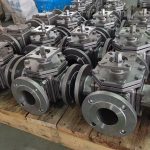
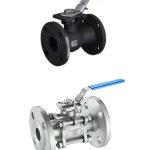
2. Ball Valves – Reliable Shut-Off Performance
Ball valves are quarter-turn valves known for tight sealing and fast operation. The spherical disc design provides dependable shut-off even in high-pressure systems.
Typical applications:
- Gas processing plants
- LNG facilities
- Offshore production platforms
- Emergency shutdown systems
Their durability and low maintenance requirements make them a preferred choice in midstream pipeline infrastructure.
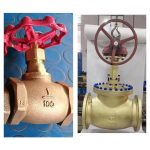
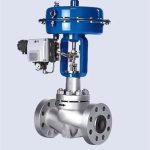
3. Globe Valves – Accurate Flow Regulation
Globe valves are engineered for throttling and flow modulation rather than simple isolation. Their internal design allows controlled regulation of fluid movement.
Typical applications:
- Refinery processing units
- Steam distribution systems
- Chemical injection lines
- Cooling water systems
They are particularly valuable in downstream operations where precise flow control is necessary to maintain stable processing conditions.
4. Check Valves – Preventing Reverse Flow
Check valves operate automatically and allow fluid to move in only one direction. They protect pumps, compressors, and pipelines from damage caused by backflow.
Typical applications:
- Pump discharge systems
- Compressor outlets
- Crude oil transfer lines
- Water injection pipelines
By preventing reverse pressure surges, these valves help maintain system balance and equipment longevity.
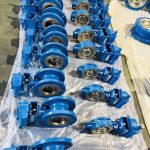
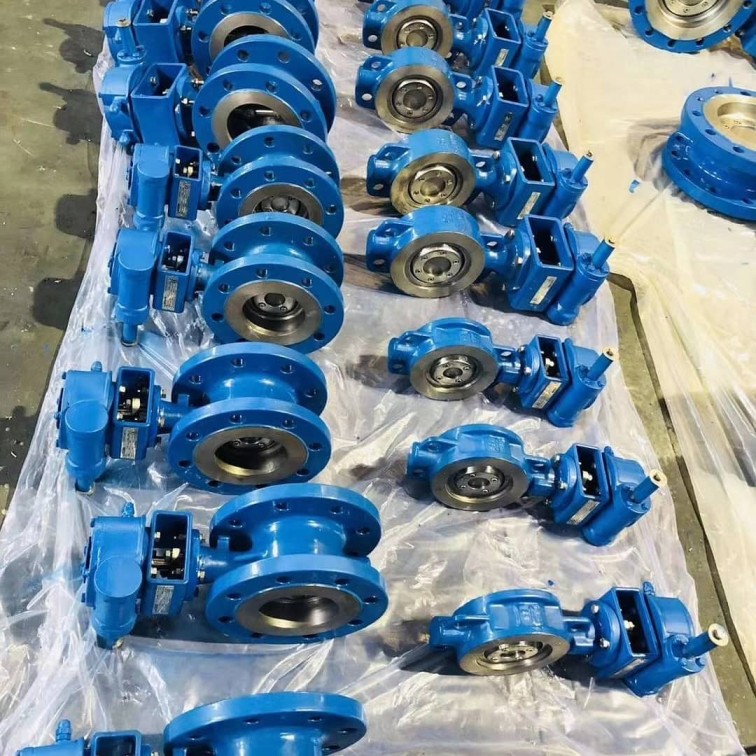
5. Butterfly Valves – Efficient Control in Large Pipelines
Butterfly valves are compact and lightweight, making them suitable for large-diameter pipeline systems. They offer efficient flow control with minimal installation space.
Typical applications:
- Offshore firewater systems
- Tank farms
- Utility pipelines
- Low to medium pressure lines
Their reduced weight is particularly beneficial in offshore installations where structural load matters.
6. Plug Valves – Handling Viscous and Abrasive Media
Plug valves use a rotating plug mechanism and are effective in systems carrying slurry or fluids with suspended solids.
Typical applications:
- Slurry transport lines
- Fuel handling systems
- Low-pressure gas service
Their simple design offers reliable performance in oilfield environments with particulate content.
7. Safety and Relief Valves – Critical Pressure Protection
Safety and pressure relief valves are essential protective devices that release excess pressure automatically to prevent catastrophic failure.
Typical applications:
- Pressure vessels
- Refinery reactors
- Gas compression stations
- Boiler systems
In hydrocarbon processing facilities, these valves act as the final safeguard against overpressure incidents.
Valves Across Industry Segments
Upstream (Exploration & Production)
Upstream operations involve drilling and extraction, often under high pressure and corrosive conditions.
Common upstream valves include:
- Gate valves for wellhead isolation
- Ball valves for production control
- Check valves for pump protection
Durability, corrosion resistance, and pressure tolerance are critical in this segment.
Midstream (Transportation & Storage)
Midstream systems transport crude oil and natural gas across long distances. Efficiency and minimal pressure loss are primary concerns.
Common midstream valves include:
- Ball valves for mainline isolation
- Check valves for directional control
- Butterfly valves for large-diameter systems
Automation is increasingly integrated into pipeline control stations to enhance monitoring and safety.
Downstream (Refining & Processing)
Downstream facilities convert crude hydrocarbons into usable products. These environments demand precision and chemical compatibility.
Common downstream valves include:
- Globe valves for modulation
- Safety valves for pressure protection
- Gate valves for process isolation
Stable flow control directly impacts product quality and operational safety.
Material Selection for Oil and Gas Valves
Material choice significantly influences valve performance and service life. Common materials include:
- Carbon steel for standard pipeline service
- Stainless steel for corrosion resistance
- Duplex and super duplex stainless steel for offshore conditions
- Alloy steel for high-temperature systems
Proper material compatibility ensures durability when exposed to hydrocarbons, steam, and corrosive agents.
Key Considerations in Valve Selection
Selecting the appropriate valve requires careful evaluation of:
- Operating pressure and temperature
- Fluid type and composition
- Corrosion and erosion risks
- Required sealing performance
- Automation requirements
- Accessibility for maintenance
Correct valve selection minimizes downtime, enhances safety, and improves overall system reliability.
The Expanding Role of Automation
Modern oil and gas facilities increasingly rely on actuated valves powered by electric, pneumatic, or hydraulic systems. Automated valves enable remote monitoring, rapid response, and integration with distributed control systems.
They are commonly used in:
- Emergency shutdown systems
- Pipeline control stations
- Offshore production platforms
- Refinery automation networks
Automation improves both operational efficiency and workplace safety.
Conclusion
Valves used in oil and gas industry applications play a vital role in ensuring safe, stable, and efficient operations. From upstream wellheads to midstream pipelines and downstream refineries, each valve type serves a specific function based on system demands.
There is no one-size-fits-all solution. Effective valve selection depends on operating conditions, fluid characteristics, environmental exposure, and performance requirements. Choosing the right valve not only ensures proper flow control but also strengthens long-term operational reliability and infrastructure protection.