Introduction
Power plants operate under some of the most extreme thermal and pressure conditions in modern industry. In steam-based generation systems, temperatures often exceed 500°C, while pressures can rise to several hundred bar. Under these intense operating parameters, selecting the correct valves used in power plants becomes essential for maintaining system stability, equipment protection, and overall plant safety. SVR Global, a manufacturer in USA, design and supply industrial valves engineered to withstand these high-temperature and high-pressure steam environments.
In this Steam System Valve Guide, we will examine the different types of steam system valves, their functional roles within power generation facilities, and how proper valve selection enhances efficiency, pressure regulation, and long-term operational reliability. Whether in coal-fired, gas-fired, nuclear, or combined cycle power plants, steam valves remain fundamental to controlled and consistent energy production.
Why Steam System Valves Are Critical in Power Plants
In thermal power generation, steam is the primary energy carrier. From the boiler to the turbine and through the condenser system, steam must be controlled precisely. Any imbalance in pressure, temperature, or flow can affect turbine performance or damage critical equipment.
Power plant valves serve several essential functions:
- Isolating sections for maintenance
- Regulating steam flow to turbines
- Controlling pressure in boiler systems
- Preventing reverse flow
- Managing condensate return
Because steam carries high energy density, the design and material integrity of high-pressure steam valves directly impact plant safety.
Major Types of Valves Used in Power Plant Steam Systems
1. Gate Valves – Primary Steam Isolation
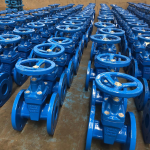
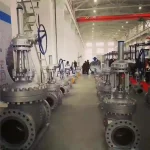
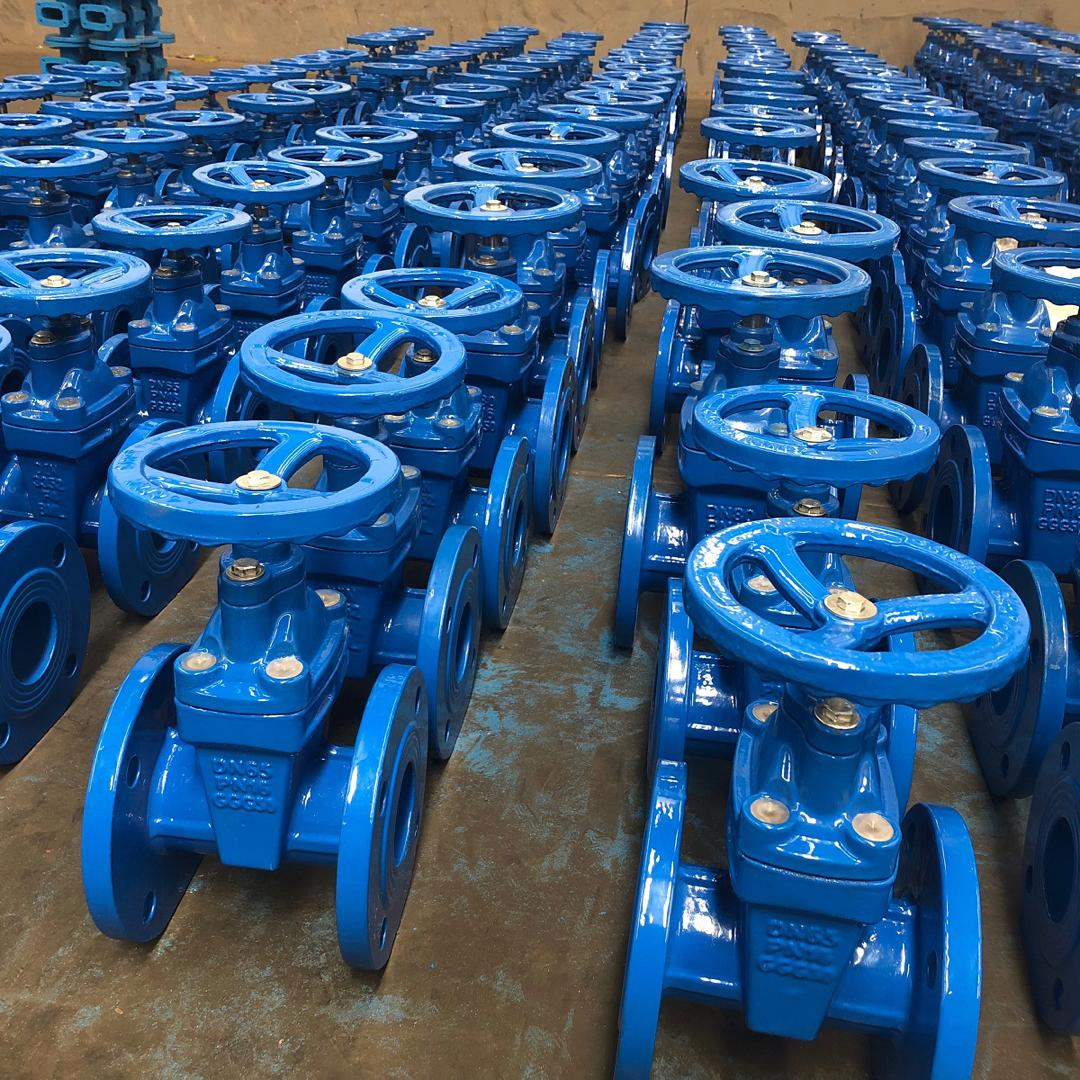
Gate valves are widely used as steam isolation valves in main steam lines. Their full-bore design allows straight-through flow with minimal resistance.
Applications in power plants:
- Main steam pipelines
- Boiler outlet lines
- Turbine isolation systems
Gate valves are preferred in high-pressure steam systems where minimal pressure drop and tight shut-off are required.
2. Globe Valves – Precision Steam Control
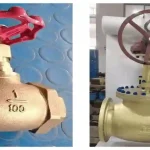
Globe valves are commonly installed where throttling and flow regulation are necessary. Their internal disc movement allows accurate adjustment of steam flow.
Applications:
- Turbine inlet control
- Auxiliary steam systems
- Boiler feedwater lines
These pressure control valves in power plants help maintain stable turbine operation and controlled steam distribution.
3. Check Valves – Backflow Protection
Check valves prevent reverse steam flow, protecting turbines and pumps from pressure surges.
Applications:
- Pump discharge lines
- Condensate systems
- Steam extraction lines
In a thermal power plant, preventing backflow is essential to safeguard rotating equipment and maintain operational balance.
4. Ball Valves – Quick Shut-Off Applications
Ball valves provide fast and secure shut-off, particularly in auxiliary steam lines and secondary systems.
Applications:
- Instrumentation lines
- Bypass systems
- Fuel handling support systems
While not typically used in main high-temperature steam lines, ball valves are effective in moderate-pressure service.
5. Butterfly Valves – Large-Diameter Steam and Cooling Lines
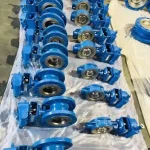
Butterfly valves are lightweight and compact, making them suitable for large-diameter pipelines within power stations.
Applications:
- Cooling water systems
- Low-pressure steam circuits
- Flue gas systems
Their simple quarter-turn operation makes them practical for large-scale industrial steam systems.
6. Safety and Relief Valves – Overpressure Protection
Safety valves are among the most critical boiler valves in a power plant. They automatically release excess pressure to prevent catastrophic failure.
Applications:
- Boiler drums
- Superheater outlets
- Pressure vessels
In steam generation systems, safety valves protect personnel and equipment from dangerous pressure build-up.
Steam Cycle and Valve Placement in Power Plants
Understanding where thermal power plant valves are installed helps clarify their importance.
Boiler Section
In the boiler, feedwater is converted into high-pressure steam. Valves in this section include:
- Feedwater control valves
- Main steam isolation valves
- Safety relief valves
These valves manage pressure and temperature before steam reaches the turbine.
Turbine Section
Steam expands through turbines to generate electricity. Precision control is essential here.
Key valves include:
- Turbine control valves
- Stop valves
- Extraction steam valves
Accurate modulation maintains turbine efficiency and prevents mechanical stress.
Condensate and Cooling Section
After expansion, steam condenses and returns to the boiler cycle.
Common valves include:
- Check valves
- Condensate control valves
- Cooling water butterfly valves
Proper flow control in this stage supports continuous operation.
Materials Used in High-Pressure Steam Valves
Steam systems in power plants operate at elevated temperatures and pressures. Therefore, material selection is critical.
Common materials for industrial steam valves include:
- Chrome-moly alloy steel for high-temperature service
- Carbon steel for moderate pressure systems
- Stainless steel for corrosion resistance
- Forged alloy steel for critical high-pressure applications
Material strength must align with ASME pressure-temperature ratings to prevent creep and fatigue failure.
Key Considerations When Selecting Steam System Valves
Choosing the right valves used in power plants requires evaluating several engineering parameters:
- Operating pressure and temperature
- Steam velocity
- Valve size and pressure class
- Frequency of operation
- Automation requirements
- Maintenance accessibility
Improper valve selection can lead to steam leakage, excessive pressure drop, or premature wear.
Automation in Modern Power Plant Valves
Today’s power generation facilities increasingly rely on automated systems. Actuated steam system valves enable remote monitoring and quick response to operational changes.
Automated valves are commonly used in:
- Turbine control systems
- Emergency shutdown systems
- Boiler feedwater regulation
- Pressure balancing lines
Automation enhances safety and operational precision in modern power plants.
Common Challenges in Steam Valve Applications
Steam is a highly aggressive medium due to its temperature and velocity. Common issues include:
- Thermal expansion stress
- Seat erosion
- Pressure drop imbalance
- Steam leakage at joints
Regular inspection and preventive maintenance help extend valve service life in power plant operations.
Conclusion
Selecting the correct valves used in power plants is fundamental to the safe and efficient operation of steam systems. From gate valves handling main steam isolation to globe valves controlling turbine flow and safety valves protecting boiler integrity, each valve plays a defined role in power generation.
This Steam System Valve Guide highlights that there is no universal solution the ideal steam valve depends on system pressure, temperature, location within the steam cycle, and operational demands.
When properly engineered and maintained, high-pressure steam valves contribute to stable energy production, equipment protection, and long-term plant performance. Understanding application requirements and aligning valve type, material, and pressure class ensures optimal results in any thermal power generation facility.