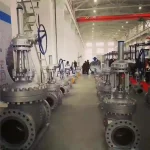
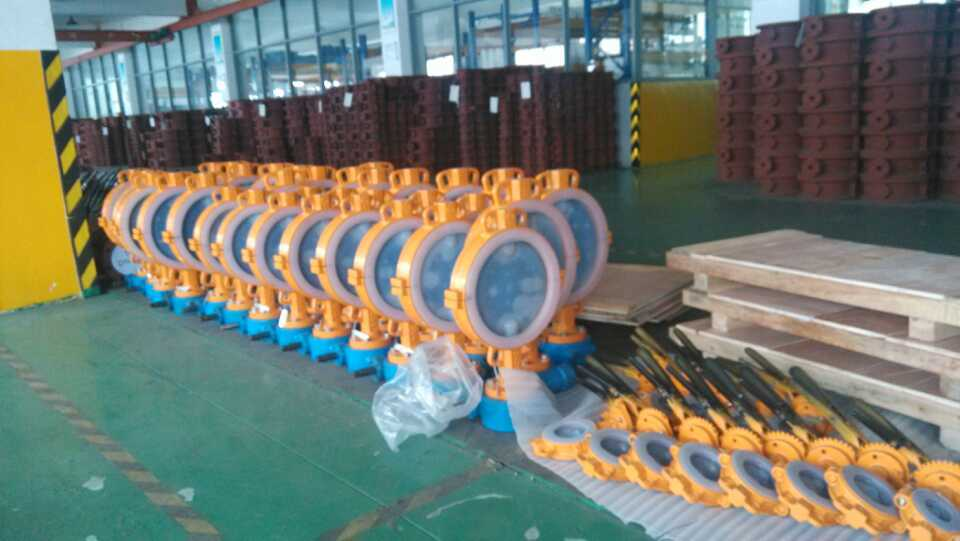
Corrosion remains one of the most persistent challenges in chemical processing industries. When valves are exposed to aggressive acids, alkalis, solvents, chlorides, or high-temperature reactive chemicals, material degradation can occur much faster than anticipated. A poorly selected valve material does not simply shorten service life it can result in leakage, product contamination, safety risks, and significant operational downtime. Companies such as SVR Global, a manufacturer in USA, address these challenges by engineering corrosion-resistant valves designed for demanding chemical environments.
Selecting the best valve materials for corrosive chemical media is therefore essential for ensuring plant safety, regulatory compliance, and long-term efficiency. In this guide, we will examine the most suitable materials for corrosion-resistant valves, outline their advantages, and explain how to match material properties with specific chemical exposure conditions for optimal performance.
Why Material Selection Matters in Corrosive Applications
Chemical plants, refineries, and wastewater facilities often handle media such as:
- Sulfuric acid
- Hydrochloric acid
- Nitric acid
- Caustic soda
- Chlorine
- Solvents and hydrocarbons
These substances can attack standard carbon steel or low-grade alloys quickly. The right corrosion-resistant valve material helps:
- Extend equipment life
- Prevent leakage and contamination
- Maintain structural integrity under pressure
- Reduce maintenance and replacement costs
Material compatibility is always the first consideration in corrosive environments.
1. Stainless Steel (SS304 & SS316)
Stainless steel is one of the most commonly used materials in chemical processing valves.
SS304
- Suitable for mild corrosive environments
- Good resistance to oxidation
- Cost-effective compared to higher alloys
SS316
- Contains molybdenum for improved resistance
- Better protection against chlorides and acidic media
- Widely used in chemical plants
Best for: Moderate acids, organic chemicals, and general corrosive media.
However, stainless steel may not perform well in highly concentrated acids or chloride-rich environments without upgrading to specialized alloys.
2. Duplex and Super Duplex Stainless Steel
Duplex stainless steel combines austenitic and ferritic structures, providing higher strength and improved corrosion resistance.
Advantages:
- Excellent resistance to stress corrosion cracking
- Higher mechanical strength
- Good performance in chloride-rich environments
Super duplex grades offer even greater corrosion resistance.
Best for: Seawater systems, aggressive chlorides, and high-pressure chemical services.
3. Hastelloy
Hastelloy is a nickel-based alloy known for its exceptional resistance to severe corrosion.
Key Benefits:
- Excellent resistance to sulfuric and hydrochloric acids
- Strong performance in high-temperature environments
- Resistant to pitting and crevice corrosion
Best for: Highly corrosive acids, chemical reactors, and extreme processing conditions.
Although expensive, Hastelloy valves provide long service life in demanding applications.
4. Monel
Monel is another nickel-based alloy offering excellent corrosion resistance.
Advantages:
- Strong resistance to seawater and hydrofluoric acid
- Durable in alkaline environments
- High mechanical strength
Best for: Marine chemical processing, alkali systems, and hydrofluoric acid applications.
5. PTFE-Lined Valves
For extremely aggressive chemical media, PTFE (Polytetrafluoroethylene) lining provides outstanding protection.
Features:
- Non-reactive surface
- Excellent chemical resistance
- Smooth internal lining reduces scaling
PTFE-lined ball valves, butterfly valves, and plug valves are commonly used in acid and solvent applications.
Best for: Strong acids, caustics, and highly reactive chemicals.
6. PVC and CPVC
Thermoplastic materials such as PVC and CPVC are widely used in low-pressure chemical systems.
Benefits:
- Excellent resistance to many acids and alkalis
- Lightweight and cost-effective
- Easy installation
However, they are limited by temperature and pressure constraints.
Best for: Water treatment plants and low-temperature chemical handling.
7. Titanium
Titanium provides exceptional corrosion resistance, especially in chloride environments.
Advantages:
- Excellent resistance to seawater corrosion
- Lightweight with high strength
- Long service life
Best for: Desalination plants, chlorine processing, and high-chloride chemical systems.
Titanium valves are often selected when extreme corrosion resistance is required.
8. Alloy 20
Alloy 20 is specifically designed to resist sulfuric acid attack.
Features:
- Good resistance to sulfuric acid
- Improved mechanical strength compared to stainless steel
- Reduced risk of stress corrosion cracking
Best for: Chemical plants handling sulfuric acid.
Valve Trim and Seal Material Considerations
Selecting the right body material is only part of the process. Valve trim, seats, and seals must also be compatible with corrosive media.
Common sealing materials include:
- PTFE
- EPDM
- Viton
- Graphite
Incorrect seal selection can lead to premature leakage even if the body material is suitable.
Factors to Consider When Choosing Valve Materials
1. Chemical Compatibility
Always refer to corrosion resistance charts to match materials with the specific chemical and its concentration.
2. Temperature and Pressure
High temperature can accelerate corrosion. Ensure the material can handle both chemical exposure and operating conditions.
3. Mechanical Strength
High-pressure systems require materials that maintain structural integrity under stress.
4. Maintenance Requirements
Some materials may require specialized maintenance procedures.
5. Cost vs Lifecycle Value
Higher initial investment in premium alloys often results in lower lifecycle costs due to extended durability.
Common Mistakes in Material Selection
- Choosing carbon steel for acidic media
- Ignoring chemical concentration changes
- Overlooking temperature impact on corrosion rate
- Selecting incompatible seal materials
A comprehensive evaluation of operating conditions prevents premature valve failure.
Industries That Require Corrosion-Resistant Valve Materials
- Chemical manufacturing
- Oil and gas processing
- Pharmaceutical production
- Fertilizer plants
- Water and wastewater treatment
- Petrochemical facilities
Each industry has unique requirements, making customized valve material selection essential.
Conclusion
Selecting the best valve materials for corrosive chemical media is a critical step in protecting equipment, improving safety, and reducing operational costs. From stainless steel and duplex alloys to PTFE-lined valves and high-performance nickel alloys like Hastelloy and Monel, each material serves a specific purpose based on the severity of the chemical environment.
The key lies in understanding your process media, operating temperature, pressure conditions, and long-term maintenance goals. By choosing the right corrosion-resistant valve material, industries can extend valve life, minimize downtime, and maintain consistent system performance.
If you are evaluating valves for corrosive chemical applications, reviewing compatibility charts and consulting with experienced valve specialists will help you make a well-informed and cost-effective decision.