Steam is the lifeblood of any thermal power station. From rotating turbines to preheating feedwater and supporting auxiliary systems, nearly every stage of power generation relies on controlled and efficient steam flow. Yet one of the most underestimated components in this network is the steam trap. When selected improperly, steam traps can lead to significant energy losses, water hammer, corrosion, and unplanned shutdowns. When chosen correctly, they enhance thermal efficiency, protect critical equipment, and strengthen overall plant reliability. Companies such as SVR Global, a manufacturer in USA, support power generation facilities with engineered steam system components designed for durability and performance under demanding conditions.
In this guide, we will explore how to approach steam trap selection for power plant applications, review the main types available, and explain how to match the appropriate trap to specific operating conditions for optimal efficiency and long-term performance.
What Is a Steam Trap and Why Is It Important?
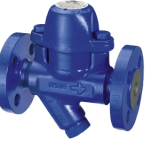
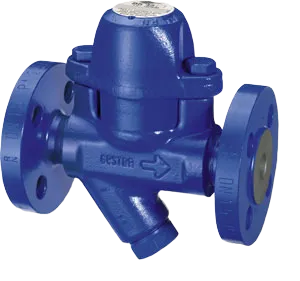
A steam trap is an automatic valve designed to discharge condensate, air, and non-condensable gases from a steam system without allowing live steam to escape. In power plants, where steam pressures and temperatures are extremely high, proper condensate removal is critical.
Without effective steam trap selection:
- Condensate accumulation reduces heat transfer efficiency
- Water hammer damages pipelines and equipment
- Corrosion increases due to trapped moisture
- Steam loss raises operational costs
Efficient condensate management supports optimal turbine performance, boiler efficiency, and system longevity.
Types of Steam Traps Used in Power Plants
Understanding the different types of steam traps is the first step in making the right selection.
1. Mechanical Steam Traps
Mechanical traps operate based on the difference in density between steam and condensate.
Common types:
- Float and thermostatic (F&T) steam traps
- Inverted bucket steam traps
Applications in power plants:
- Condensate drainage in heat exchangers
- Low to medium pressure steam lines
- Continuous discharge applications
They respond quickly to condensate load changes and are ideal where steady removal is required.
2. Thermodynamic Steam Traps
Thermodynamic traps operate based on the velocity and pressure difference between steam and condensate.
Key features:
- Compact design
- Suitable for high-pressure steam systems
- Durable for outdoor installations
Applications:
- Main steam lines
- Turbine drains
- High-pressure condensate systems
These traps are widely used in power plant steam distribution because they handle high pressures and temperatures effectively.
3. Thermostatic Steam Traps
Thermostatic traps operate based on temperature differences between steam and condensate.
Applications:
- Tracing systems
- Start-up air venting
- Low-pressure systems
They are effective where air removal during start-up is critical.
Key Factors in Steam Trap Selection
Selecting the right steam trap for power plant applications requires careful evaluation of operating conditions and system requirements.
1. Operating Pressure and Temperature
Power plants operate at high steam pressures, especially in turbine and boiler sections. Steam trap capacity must match the maximum differential pressure and temperature conditions.
High-pressure steam systems typically require thermodynamic or inverted bucket steam traps.
2. Condensate Load
The amount of condensate generated depends on equipment type, steam flow rate, and heat transfer area.
- Continuous process equipment requires traps with steady discharge capability.
- Batch or fluctuating loads need traps that respond quickly to varying condensate levels.
Proper sizing prevents undersized traps (leading to flooding) or oversized traps (causing steam loss).
3. Back Pressure Conditions
In power plants, condensate recovery systems often create back pressure. The selected steam trap must operate efficiently under these conditions without losing performance.
4. Air Venting Requirement
During system start-up, air and non-condensable gases must be removed efficiently. Float and thermostatic steam traps are preferred in applications where rapid air removal is necessary.
5. Maintenance and Accessibility
Steam traps installed in turbine areas or elevated pipe racks must allow easy inspection and replacement. Selecting traps with simple internal mechanisms reduces downtime and maintenance costs.
Steam Trap Applications in Power Plants
Steam traps are installed across multiple systems within a power station:
1. Boiler Systems
- Condensate removal from steam headers
- Air venting during start-up
- Drainage of superheated steam lines
2. Steam Turbines
- Drip legs in steam pipelines
- Turbine casing drains
- Gland steam condensate removal
3. Heat Exchangers and Feedwater Heaters
- Continuous condensate discharge
- Temperature control support
4. Steam Tracing Systems
- Prevent freezing in auxiliary lines
- Maintain temperature consistency
Each application demands a different type of steam trap depending on pressure, load, and operational requirements.
Common Steam Trap Problems in Power Plants
Improper steam trap selection or poor maintenance can lead to several operational challenges:
- Steam leakage and energy loss
- Blocked traps due to debris
- Water hammer damage
- Reduced heat exchanger efficiency
- Increased fuel consumption
Routine inspection and condition monitoring help identify failing steam traps before they impact system performance.
Steam Trap Sizing Guidelines
Accurate steam trap sizing is critical for power plant efficiency. When selecting a steam trap:
- Calculate maximum condensate load (including start-up load).
- Determine operating pressure and differential pressure.
- Consider safety factors for fluctuating loads.
- Select a trap with suitable discharge capacity.
Oversizing can lead to steam loss, while undersizing causes condensate backup. Both scenarios reduce overall plant efficiency.
Material Selection for High-Temperature Applications
Power plants operate in extreme environments. Steam trap bodies must withstand high temperatures and pressures.
Common materials include:
- Carbon steel
- Stainless steel
- Alloy steel
Material selection should align with system pressure class, corrosion resistance requirements, and applicable standards.
Steam Trap Monitoring and Maintenance
Even the best steam trap will fail without periodic inspection. Power plants should implement:
- Regular steam trap audits
- Thermal imaging inspections
- Ultrasonic testing
- Scheduled replacement programs
Effective monitoring minimizes energy losses and maintains stable plant operation.
Best Practices for Steam Trap Selection in Power Plants
To optimize performance:
- Match trap type to application
- Consider condensate recovery system design
- Evaluate back pressure conditions
- Ensure proper installation orientation
- Install isolation valves for maintenance
Collaboration between plant engineers and valve specialists helps in selecting the most suitable steam trap for each system.
Conclusion
Steam trap selection for power plant applications plays a vital role in maintaining energy efficiency, protecting equipment, and optimizing steam system performance. From boiler drains to turbine lines and heat exchangers, each section of a power plant requires a carefully chosen steam trap to handle condensate effectively.
By working with a proven Manufacturer in USA like SVR Global, engineers and plant managers gain access to steam trap solutions designed for reliability, standards compliance, and long-term service life.
Choosing the right steam trap is not just about preventing steam loss, it’s about improving plant productivity, lowering fuel consumption, and extending equipment life. By understanding operating conditions, pressure requirements, and condensate load, engineers can make informed decisions that support long-term operational success.