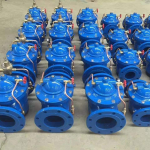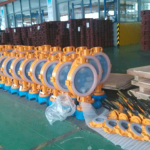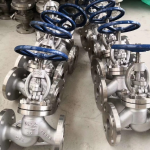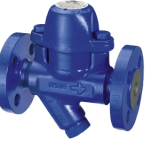
Liquefied Natural Gas (LNG) plants and cryogenic processing systems operate under some of the harshest conditions in industrial engineering. With operating temperatures reaching as low as –196°C, even slight material brittleness or sealing failure can result in leakage, vapor loss, safety hazards, and costly shutdowns. In these ultra-low-temperature environments, selecting the right cryogenic valves is not merely a design preference, it is a critical safety and reliability requirement. SVR Global, a manufacturer in USA, develops cryogenic valve solutions engineered to perform under extreme thermal stress while maintaining tight shut-off integrity.
From liquefaction trains and storage tanks to LNG loading arms and transfer pipelines, specialized valves used in LNG plants are essential for maintaining process stability, minimizing boil-off gas losses, and ensuring safe handling of cryogenic fluids.
In this blog, we will explore the most commonly used valves in LNG facilities, their applications, key material considerations, and the importance of complying with cryogenic design standards for long-term operational safety and performance.
Why Cryogenic Valve Selection Is Critical in LNG Applications
LNG is natural gas cooled into liquid form to reduce volume for easier storage and transportation. Handling LNG requires valves that can:
- Withstand extremely low temperatures
- Prevent thermal contraction damage
- Maintain tight shutoff performance
- Avoid leakage of flammable gases
- Perform under high pressure conditions
Standard industrial valves are not suitable for cryogenic applications. Specialized designs and materials are essential for safe and efficient operation.
Common Valves Used in LNG Plants
1. Cryogenic Ball Valves
Cryogenic ball valves are widely used in LNG plants for on/off isolation service. They are designed with extended bonnets to protect stem seals from extreme cold.
Applications:
- LNG storage tanks
- Transfer lines
- Loading and unloading systems
- Gas processing units
Their quarter-turn operation allows quick shutoff, while metal or soft seats provide tight sealing even at sub-zero temperatures.
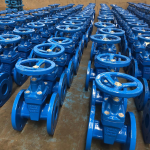
2. Cryogenic Gate Valves
Gate valves are typically used for full-flow isolation in LNG systems.
Applications:
- Main pipeline isolation
- Storage tank inlet and outlet lines
- Cryogenic process units
These valves offer minimal pressure drop and are ideal for systems requiring unobstructed flow.
3. Cryogenic Globe Valves
Globe valves provide precise throttling and flow control in cryogenic service.
Applications:
- LNG process control
- Gas vaporization systems
- Pressure regulation lines
Their design allows accurate adjustment of flow rate, making them suitable for controlled applications.
4. Cryogenic Check Valves
Check valves prevent reverse flow in LNG pipelines and protect pumps and compressors.
Applications:
- Pump discharge lines
- Compressor outlets
- Transfer systems
Backflow prevention is especially critical in LNG systems to avoid pressure surges and equipment damage.
5. Butterfly Valves for LNG
Cryogenic butterfly valves are used in large-diameter, low-pressure applications.
Applications:
- LNG storage tank systems
- Utility lines
- Cooling water systems
They are lightweight and cost-effective for large-scale installations.
Key Design Features of Cryogenic Valves
Valves used in LNG plants differ significantly from conventional industrial valves. Important design characteristics include:
Extended Bonnet Design
An extended bonnet keeps the stem packing away from extreme cold temperatures, preventing seal failure.
Special Stem Sealing
Multiple packing layers prevent leakage and maintain operational safety.
Fire-Safe Design
LNG facilities require valves that comply with fire safety standards to minimize risks.
Low-Temperature Testing
Cryogenic valves are tested at sub-zero temperatures to confirm performance under real operating conditions.
Materials Used in Cryogenic Valves
Material selection is critical in LNG and cryogenic systems because low temperatures can cause brittleness and cracking.
Common materials include:
- Austenitic stainless steel (SS304, SS316)
- Low-temperature carbon steel
- Duplex stainless steel
- Nickel-based alloys
These materials maintain mechanical strength and toughness at extremely low temperatures.
Applications of Valves in LNG Plants
1. Liquefaction Units
Control and isolation valves manage gas flow during the cooling and liquefaction process.
2. LNG Storage Tanks
Cryogenic ball and gate valves isolate tank systems and maintain safety during filling and discharge.
3. LNG Transfer Systems
Valves regulate loading arms and marine transfer operations.
4. Regasification Units
Control valves manage pressure and flow during LNG vaporization.
5. Cryogenic Pump Systems
Check valves and isolation valves protect pumps from backflow and pressure fluctuations.
Challenges in LNG and Cryogenic Valve Applications
Operating in cryogenic environments presents unique challenges:
- Thermal contraction of materials
- Stem seal leakage
- Ice formation around external components
- Pressure fluctuations
- High safety requirements
Proper valve engineering and testing help address these issues effectively.
Automation in LNG Valve Systems
Modern LNG plants use automated cryogenic valves equipped with electric or pneumatic actuators. Automation allows:
- Remote monitoring and operation
- Precise flow control
- Improved safety response
- Reduced manual intervention
Digital control systems are increasingly integrated to improve operational efficiency and process safety.
Importance of Standards in Cryogenic Valves
Valves used in LNG plants must comply with international standards such as:
- API standards
- ASME standards
- BS and ISO standards
These standards ensure valves meet safety, performance, and testing requirements for cryogenic service.
Choosing the Right Valve Manufacturer for LNG Applications
LNG projects demand high engineering precision and strict quality control. Working with experienced manufacturers who understand cryogenic applications is essential.
SVR Global supplies industrial valve solutions designed to meet demanding operating environments, including LNG and low-temperature systems. With expertise in engineered valve manufacturing, the company focuses on delivering valves that perform consistently under extreme conditions while meeting international quality standards.
Conclusion
Valves used in LNG plants and cryogenic systems play a critical role in maintaining safe and efficient operations. From cryogenic ball valves and gate valves to globe and check valves, each type supports a specific function within LNG processing, storage, and transportation systems.
The extreme temperatures and safety requirements of LNG facilities demand specialized materials, extended bonnet designs, and strict compliance with global standards. Proper valve selection helps prevent leakage, protect equipment, and maintain process stability.
As LNG demand continues to grow worldwide, investing in high-quality cryogenic valves becomes essential for long-term reliability and operational safety. Careful evaluation of system conditions and collaboration with experienced valve manufacturers can help ensure the right solution for every cryogenic application.