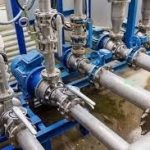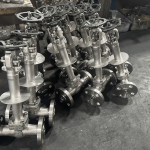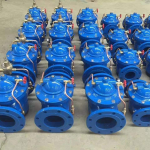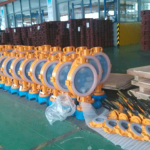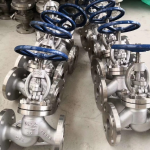
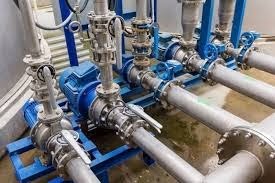
Municipal water treatment plants take raw surface or groundwater through a series of processes to produce potable water fit for distribution. Every filtration unit, sedimentation tank, and chemical dosing system in that chain depends on properly selected industrial valves to keep operations from going off track.
Valves govern how water moves through the system, starting at intake structures and running through to high-pressure transmission pipelines. Even a well-engineered plant can run into leakage, unplanned shutdowns, or pressure instability when isolation and flow control have not been specified with enough care.
This is why many engineering teams work closely with a prominent valve manufacturer in USA to ensure valves meet required pressure classes, coating standards, and potable water compliance.
In large municipal water infrastructure projects, valves are typically installed at:
- Raw water intake lines
- Clarifiers and filtration units
- Chemical dosing and chlorination systems
- Pump discharge lines
- Sludge handling pipelines
- Treated water distribution networks
Most water treatment facilities operate continuously, that is why valve reliability directly affects plant uptime and regulatory compliance.
Significance of Valves in Water Treatment Plants:
In municipal water treatment facilities, valves are essentially critical for maintaining controlled flow, process stability, and safe potable water production. From raw water intake through to treated water distribution, nearly every stage depends on properly specified isolation and control valves.
Valves perform several important functions such as:
- Equipment Isolation: Pumps, filters, clarifiers, and chemical dosing systems can each be taken offline for maintenance on their own, so that the treatment train can carry on without interruption.
- Flow Regulation: Valves handle raw water intake, filtration rates, backwash cycles, and treated water discharge, keeping each of these variables within acceptable limits so process performance is efficient.
- Backflow Prevention: Pumps stay protected and reverse flow gets stopped before it has any chance to throw off treatment efficiency or wear down rotating equipment.
- Pressure Management: Hydraulic shock during pump start-up and shutdown can put a real strain on pipelines, flanges, and connected equipment, so the right valve selection keeps that kind of stress from building up.
- Sedimentation Sludge Control: Settled solids get pulled out of clarifiers in a controlled way, which also happens to cut down on seat wear and erosion building up inside discharge lines over time.
Getting the valve specification wrong tends to show up pretty quickly. Leakage, pressure swings, poor filtration cycles, and parts wearing out ahead of schedule are all common outcomes, and each one chips away at plant uptime and compliance standing. That’s why sourcing from a dependable valve manufacturer in USA makes a real difference when the operating conditions are this demanding.
Valve Type vs Best Application vs Limitation:
The table below gives a comparative overview to make selection decisions easy.
| Valve Type | Best Application | Limitation |
| Gate Valve | Raw water transmission lines and large-diameter distribution pipelines requiring full isolation | Not suitable for throttling; partial opening can damage seating surfaces |
| Butterfly Valve | Filtration systems, backwash lines, aeration tanks, treated water pipelines | Seat wear possible in high-solids or abrasive sludge applications unless metal-seated |
| Ball Valve | Chemical dosing systems, chlorination lines, pump isolation requiring tight shutoff | Not ideal for precise flow modulation in large-diameter pipelines |
| Check Valve | Pump discharge lines and treated water transmission systems to prevent reverse flow | Improper sizing may lead to disc slamming and water hammer |
| Globe Valve | Chemical control lines, pressure regulation systems, flow balancing circuits | Higher pressure drop compared to gate valves |
Material Selection Based on Service Conditions:
In municipal water treatment plants, corrosion resistance and coating durability tend to matter a lot more than temperature resistance ever does. Chlorinated water, disinfectants, and intermittent sediment flow all take a toll over time, so getting material selection right from the start is something that’s really important.
| Service Condition | Recommended Body Material |
| Potable Water | Epoxy-coated ductile iron |
| Chlorinated Water | Fusion bonded epoxy-lined ductile iron |
| Chemical Dosing | Stainless steel CF8 / CF8M |
| High-Corrosion Areas | Duplex / Super Duplex stainless steel |
| Sedimentation Sludge Lines | Carbon steel with protective lining |
Trim Materials:
- SS304 / SS316
- Bronze (for potable applications)
- EPDM or NBR elastomers
- Duplex stainless steel for enhanced corrosion resistance
Water Treatment Plants located in coastal regions or areas with aggressive water chemistry see better resistance to pitting and chloride-induced corrosion when Duplex and Super Duplex materials are specified.
Sedimentation sludge lines carry suspended particles that gradually wear down internal surfaces, and that’s exactly where metal-seated designs or reinforced coatings help in keeping service life from dropping off too soon.
Wrong material selection can cut valve lifespan short and drive up maintenance frequency, and this shows up most in chlorinated and high-mineral-content water systems where the conditions are already working against the hardware.
Technical Ranges for Water Treatment Valves:
Valves used in municipal water treatment plants are engineered to operate under continuous service, hydraulic surges, and potable water compliance requirements.
| Parameter | Typical Range |
| Size Range | DN50 – DN2000 |
| Pressure Class | PN10 – PN25 / Class 150–300 |
| Temperature Range | 5°C to 40°C (ambient water service) |
| Body Materials | Ductile iron, carbon steel, CF8 / CF8M stainless steel |
| Trim Materials | SS304 / SS316, bronze, EPDM / NBR |
| Standards | AWWA C504, AWWA C508, NSF 61, ASME B16.34 |
These technical ranges make water treatment valves a perfect fit across intake structures, filtration systems, pump discharge lines, and treated water transmission networks where hydraulic demand runs anywhere from moderate to high.
Technical Performance Parameters to Consider for Water Treatment Plants
Valves used in municipal water systems have to hold their structural integrity and keep sealing performance consistent through pressure fluctuations and back to back duty cycles.
Key Performance Parameters:
- Pressure Rating:
Typically PN10–PN25 or Class 150–300, selected based on system design pressure and anticipated surge loads during pump startup and shutdown. - Surge Resistance:
Valve body thickness and flange rating must accommodate transient pressure spikes that can reach 2–3× normal operating pressure. - Flow Characteristics:
Getting CV sizing and pressure drop evaluation right is important for keeping energy losses in check and holding hydraulic efficiency steady across large-diameter pipelines. - Sealing Performance:
Soft or resilient seats are used in potable systems, like holding leak-tight shutoff while keeping in line with NSF 61 requirements. - Corrosion Protection:
Epoxy coatings and stainless steel trims are what stand between internal surfaces and the kind of slow breakdown that chlorinated water exposure and long-term degradation bring on. - Mechanical Durability:
Valves must withstand operational vibration, cyclic loading, and actuator torque throughout their service life without developing stem distortion or seat damage.
Key Engineering Considerations
For municipal water treatment infrastructure projects, engineers generally work through several key considerations during valve selection:
- Surge pressure conditions
- Pipe diameter and flow velocity
- Chemical compatibility
- Actuator sizing and torque requirements
- Compliance with AWWA C504, AWWA C508, NSF 61, and applicable ASME pressure standards
- Maintenance accessibility
Actuation carries real weight in automated water treatment systems. Electric or pneumatic actuators that are correctly sized keep operation smooth and reduce the risk of excessive stem stress or seat damage building up over time.
Common Mistakes in Water Treatment Valve Selection:
- Using gate valves for throttling
- Under sizing pressure class in surge-prone systems
- Ignoring NSF 61 certification in potable water networks
- Overlooking abrasion in sedimentation sludge discharge lines
- Selecting actuators without torque calculation
Even minor specification errors can result in leakage, unplanned downtime, or expensive replacements within municipal water infrastructure.
Water treatment plants run under continuous hydraulic stress, chemical exposure, and fluctuating pressure conditions. In this kind of environment, valve selection goes well beyond a routine specification exercise, as it has a direct bearing on system stability, regulatory compliance, and long-term operational efficiency. Structural integrity, corrosion protection, actuator compatibility, and potable water standards all need to be evaluated against actual service conditions.
Poor valve selection tends to show up as leakage, water hammer damage, excessive wear, and maintenance interruptions that carry real cost. Factoring in pump cycling behaviour, sludge abrasiveness, pipeline size, and pressure class at the selection stage gives each valve a proper foundation to perform reliably in its intended application.
Working with a technically experienced valve manufacturer in USA gives projects a stronger footing when it comes to material selection, pressure rating compliance, and meeting potable water standards. Proper engineering evaluation during system design is important as it ultimately determines whether valves deliver consistent flow control or become long-term reliability risks