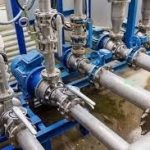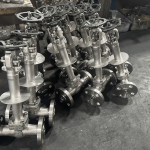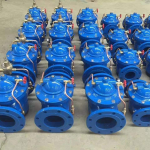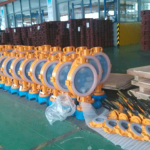
Chemical processing plants operate in some of the most demanding industrial environments. From handling corrosive acids and aggressive chemicals to managing volatile gases, high temperatures, and extreme pressures, every stage of production relies on precise and dependable flow control. At the center of these systems are industrial valves, carefully engineered to regulate, isolate, and protect critical processes. Companies like SVR Global, a manufacturer in USA, supply valves designed to meet the strict material compatibility and safety standards required in chemical applications.
In this blog, we will explore the valves used in chemical processing plants, their key applications, and how proper valve selection enhances operational safety, process efficiency, and long-term plant reliability.
Why Valve Selection Matters in Chemical Plants
Unlike general industrial systems, chemical facilities process aggressive media such as sulfuric acid, chlorine, caustic soda, solvents, and hydrocarbons. Incorrect valve selection can result in:
- Chemical leakage
- Equipment corrosion
- Pressure imbalance
- Safety hazards
- Production downtime
That’s why choosing the right chemical process valves is not only about flow control it’s about maintaining plant integrity and protecting personnel.
Common Types of Valves Used in Chemical Processing Plants
1. Ball Valves
Ball valves are widely used for on/off control in chemical applications. Their quarter-turn operation allows quick shutoff and minimal pressure drop.
Applications:
- Acid and solvent handling
- Utility lines
- High-pressure chemical systems
With proper seat and body materials (such as PTFE-lined or stainless steel), ball valves perform effectively in corrosive environments.
2. Gate Valves
Gate valves are designed for full flow isolation. They are typically used where straight-line flow and low pressure drop are required.
Applications:
- Main process lines
- Bulk chemical transfer
- Storage tank isolation
However, they are not ideal for throttling applications, as partial opening can cause seat damage.
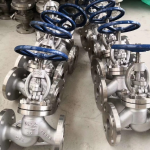
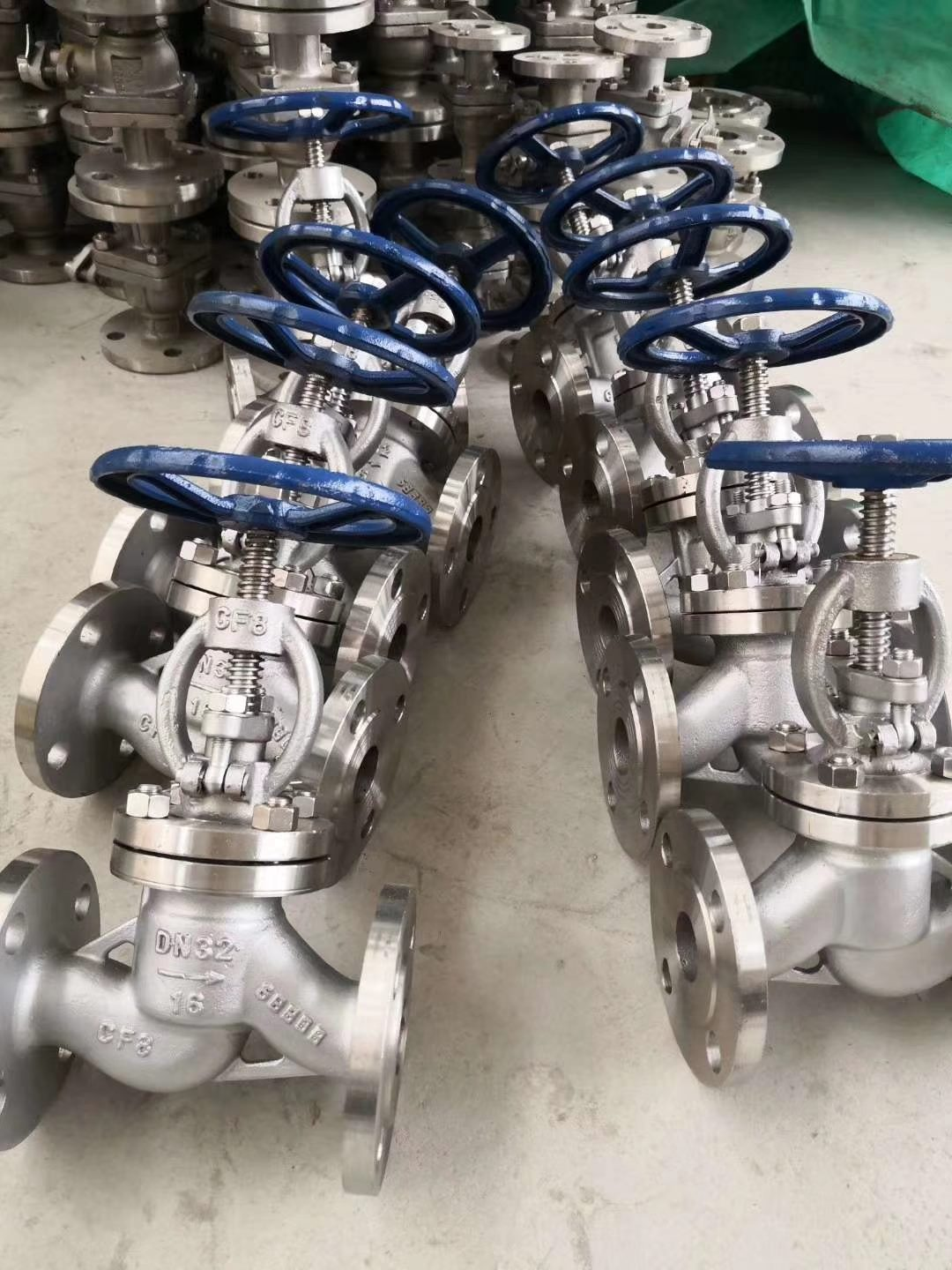
3. Globe Valves
Globe valves are commonly used where accurate flow regulation is needed. Their design allows better throttling compared to gate valves.
Applications:
- Dosing systems
- Cooling water circuits
- Chemical injection lines
They are suitable for systems requiring controlled flow adjustment.
4. Butterfly Valves
Butterfly valves are lightweight and cost-effective, especially for large-diameter pipelines.
Applications:
- Water treatment sections
- Low-pressure chemical systems
- Utility services
When equipped with corrosion-resistant linings, they perform well in moderately aggressive chemical environments.
5. Check Valves
Check valves prevent reverse flow, protecting pumps and process equipment from backflow damage.
Applications:
- Pump discharge lines
- Reactor feed systems
- Compressor outlets
In chemical plants, preventing backflow is critical to avoid contamination and pressure surges.
6. Diaphragm Valves
Diaphragm valves are ideal for handling corrosive, viscous, or slurry-based chemicals.
Applications:
- Acid handling systems
- Slurry pipelines
- Pharmaceutical-grade chemical processes
Since the diaphragm isolates the process fluid from valve internals, it reduces contamination risk and corrosion damage.
7. Plug Valves
Plug valves are often used for quick shutoff and multi-port applications.
Applications:
- Gas distribution systems
- Chemical blending units
- Switching services
Their simple design makes them suitable for certain chemical processing operations.
Materials Used for Chemical Processing Valves
Material selection is crucial in chemical plants due to corrosive media and temperature extremes. Common materials include:
- Stainless steel (SS304, SS316)
- Duplex and super duplex stainless steel
- Hastelloy and Monel
- PTFE-lined carbon steel
- PVC and CPVC (for low-pressure systems)
Choosing compatible materials helps prevent corrosion, chemical reactions, and premature valve failure.
Key Considerations When Selecting Valves for Chemical Plants
1. Chemical Compatibility
The valve body, seat, seals, and trim must resist chemical attack. Always verify compatibility with process media.
2. Pressure and Temperature Ratings
Chemical reactions often occur at elevated temperatures and pressures. Valves must comply with required pressure classes and temperature limits.
3. Flow Control Requirements
Some processes require precise flow control, while others need full isolation. Matching valve type to function is essential.
4. Safety and Compliance
Chemical plants must comply with strict industry standards. Valves should meet applicable ASME, API, or ANSI standards for safety and performance.
5. Maintenance Accessibility
Valves in chemical plants should allow easy maintenance to reduce downtime. Designs that support quick seal replacement or inline servicing improve operational efficiency.
Applications of Valves in Different Chemical Plant Sections
1. Reactors
Control valves regulate feed rates, pressure, and discharge flow.
2. Distillation Columns
Globe and control valves manage vapor and liquid separation processes.
3. Storage Tanks
Ball and gate valves isolate tanks for safe transfer operations.
4. Utility Systems
Butterfly and gate valves manage water, steam, and air systems.
5. Pump and Compressor Systems
Check valves and isolation valves protect rotating equipment from reverse flow and pressure surges.
Automation in Chemical Processing Valves
Modern chemical plants increasingly rely on automated valve systems for precision and safety. Actuated ball valves, control valves, and smart positioners enable:
- Remote monitoring
- Real-time flow control
- Improved safety response
- Reduced manual intervention
Automation improves accuracy and supports Industry 4.0 initiatives in chemical manufacturing.
Common Challenges in Chemical Valve Applications
Even with proper design, chemical plants face challenges such as:
- Corrosion and erosion
- Scaling and clogging
- Seal degradation
- Cavitation
- Leakage due to thermal cycling
Routine inspection, proper installation, and selecting the right valve type significantly reduce these risks.
Conclusion
Valves used in chemical processing plants play a fundamental role in maintaining safety, efficiency, and production continuity. From ball valves and gate valves to diaphragm and check valves, each type serves a specific purpose within complex chemical systems.
The key to long-term performance lies in proper valve selection considering media compatibility, operating conditions, safety standards, and maintenance requirements. When matched correctly to the application, industrial valves help maintain stable operations, protect equipment, and support consistent chemical production.
If you’re evaluating valve solutions for a chemical processing facility, reviewing process parameters and material compatibility is the first step toward achieving safer and more efficient plant performance.