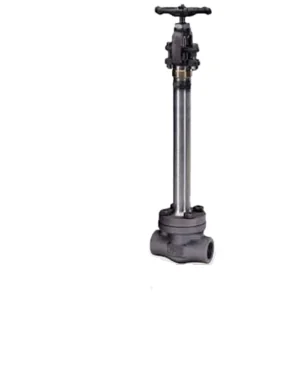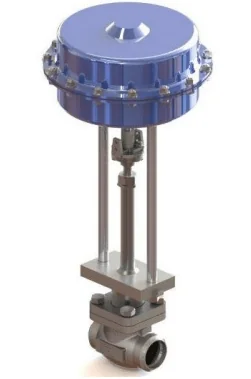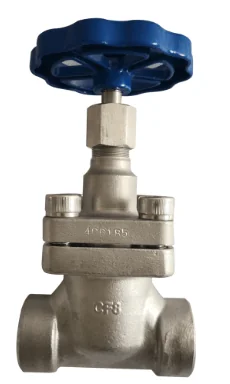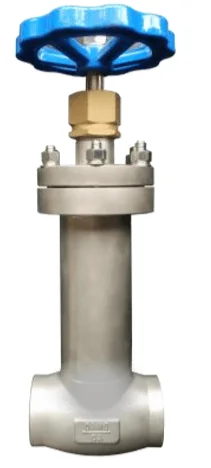
SVR Global

Cryogenic Valve Manufacturer in USA

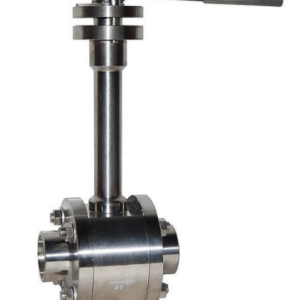
A cryogenic valve is a specialized industrial valve designed to safely control, isolate, or regulate fluids at extremely low temperatures, typically below −50 °C. These valves are essential for handling liquefied gases where conventional valves may fail due to material brittleness or thermal contraction.

SVR Global is a leading Cryogenic Valve Manufacturer and Supplier in USA, providing high-performance cryogenic valves engineered for temperatures as low as −196 °C. Our cryogenic valves are designed to ensure leak-tight performance, structural integrity, and operational safety across LNG, industrial gas, petrochemical, and energy infrastructure projects throughout the United States.

With proven expertise in low-temperature service, SVR Global supports EPC contractors, plant operators, and energy developers with engineered cryogenic valve solutions that meet stringent international standards and project specifications.

What Is a Cryogenic Valve?

A cryogenic valve is used in systems handling liquefied gases such as LNG, liquid nitrogen, liquid oxygen, hydrogen, and argon. These valves are specifically designed to operate under extreme cold conditions, using materials with high impact toughness and extended bonnet designs to protect packing and actuators from cryogenic temperatures.

Cryogenic Valve Applications in Low-Temperature Systems

SVR Global cryogenic valves are widely used in critical low-temperature process applications, including:

  • LNG liquefaction, storage, and regasification terminals
  • Industrial gas processing, storage, and distribution systems
  • Petrochemical and chemical processing plants
  • Hydrogen production, storage, and clean energy infrastructure
  • Aerospace, research laboratories, and test facilities

These applications require valves capable of maintaining tight shutoff and reliable operation despite severe thermal cycling.

Types of Cryogenic Valves

SVR Global manufactures and supplies a complete range of cryogenic valve designs for different service conditions:

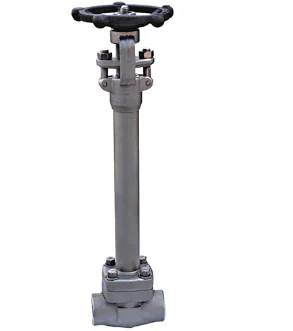
Cryogenic Gate Valves

Used for full-bore isolation in low-temperature pipelines where minimal pressure drop and reliable shutoff are required.

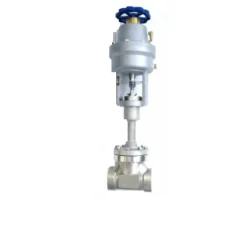
Cryogenic Globe Valves

Suitable for throttling and flow regulation, offering precise control in cryogenic process systems.

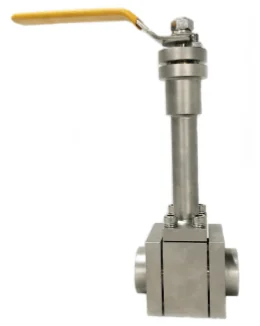
Cryogenic Ball Valves

Provide tight shutoff, fast operation, and reliable sealing, commonly used in LNG and industrial gas applications.

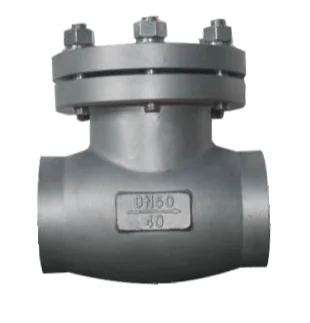
Cryogenic Check Valves

Prevent reverse flow in cryogenic pipelines and protect compressors, pumps, and storage systems.

All cryogenic valve designs feature extended bonnets to ensure packing and actuation components remain above cryogenic temperature zones.

Industries Served

SVR Global cryogenic valves are supplied to a wide range of US industrial and energy projects, including:

  • LNG terminals and natural gas infrastructure
  • Industrial gas and air separation plants
  • Petrochemical and chemical processing facilities
  • Hydrogen and clean energy projects
  • Aerospace, research, and specialty engineering sectors

Cryogenic Valve Materials & Standards

Cryogenic valves are manufactured using carefully selected materials to ensure toughness, sealing reliability, and long service life at extremely low temperatures:

  • Stainless steel cryogenic valves for LNG, liquid nitrogen, oxygen, and hydrogen services
  • Low-temperature carbon steel (LTCS) cryogenic valves for sub-zero process conditions
  • Nickel alloy cryogenic valves for severe low-temperature and high-integrity applications
  • PTFE and PCTFE seated cryogenic valves for tight shutoff in cryogenic duty

Manufacturing and testing comply with BS 6364, API 6D, ASME B16.34, API 602, and ISO standards, ensuring global compliance for cryogenic service applications.

Technical Specifications

  • Design Standards: BS 6364, API 602, ASME B16.34
  • Face-to-Face: ASME B16.10
  • End Connections: Flanged, Butt Weld, Socket Weld
  • Size Range: DN15–DN600 (½″–24″)
  • Pressure Class: ASME Class 150–1500
  • Temperature Range: −196 °C to +200 °C
  • Leakage Class: API 598 / ISO 5208 Rate A
  • Bonnet Design: Extended bonnet for cryogenic duty
  • Actuation: Manual, Pneumatic, Electric

Inspection, Testing & Certification

SVR Global cryogenic valves undergo rigorous inspection and testing to verify performance under cryogenic conditions:

  • Cryogenic testing as per BS 6364
  • Hydrostatic and seat testing per API 598
  • Helium leak testing (on request)
  • Positive Material Identification (PMI)
  • Low-temperature impact testing
  • Non-destructive examination (UT, RT, MT, PT)
  • EN 10204 3.1 / 3.2 material certification

Special Design Features

  • Extended bonnet design to isolate packing from cryogenic temperatures
  • Low-emission packing for enhanced sealing performance
  • Fire-safe design options for LNG and hazardous services
  • Anti-static and anti-blowout stem construction
  • Metal-to-metal backup seating
  • Suitable for LNG, LOX, LIN, LH₂, and cryogenic hydrocarbons

Cryogenic Valve vs Other Valve Types

Cryogenic Valve vs Standard Valve

Cryogenic valves are manufactured using special materials and extended bonnet designs to withstand extreme low temperatures, unlike standard industrial valves.

Cryogenic Ball Valve vs Cryogenic Gate Valve

Ball valves provide fast shutoff and compact operation, while gate valves offer full-bore isolation for cryogenic pipelines.

Cryogenic Globe Valve vs Cryogenic Ball Valve

Globe valves allow throttling and regulation, whereas ball valves are primarily used for on-off cryogenic service.

Why Choose SVR Global as Your Cryogenic Valve Manufacturer in USA?

  • Engineered cryogenic valve solutions for extreme low-temperature service
  • Compliance with international cryogenic valve standards
  • Support for EPC, LNG, hydrogen, and energy infrastructure projects
  • Complete technical documentation, inspection, and certification
  • Proven performance in demanding cryogenic applications

Request a Quote or Speak with a Cryogenic Valve Specialist to discuss your project requirements.

FAQs

What is a cryogenic valve used for?

Cryogenic valves are used to control and isolate liquefied gases at extremely low temperatures in LNG, industrial gas, and energy systems.

Why is an extended bonnet required in cryogenic valves?

An extended bonnet keeps packing and actuators away from extreme cold, preventing seal damage and ensuring safe operation.

Which materials are suitable for cryogenic valves?

Austenitic stainless steels, low-temperature carbon steels, and nickel alloys are commonly used due to their toughness at cryogenic temperatures.

Do cryogenic valves require special testing?

Yes, cryogenic valves undergo low-temperature, leak, and impact testing to ensure safety and performance under cryogenic conditions.

Select the fields to be shown. Others will be hidden. Drag and drop to rearrange the order.
  • Image
  • SKU
  • Rating
  • Price
  • Stock
  • Availability
  • Add to cart
  • Description
  • Content
  • Weight
  • Dimensions
  • Additional information
Click outside to hide the comparison bar
Compare
Shopping cart close