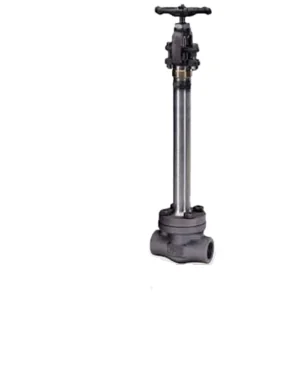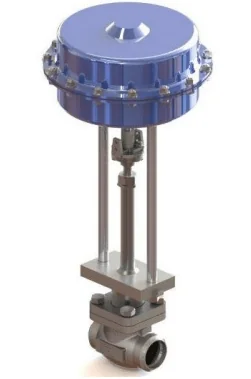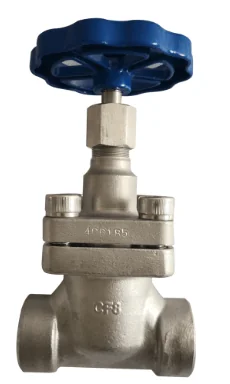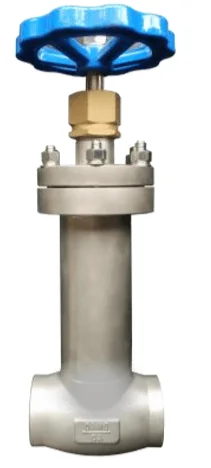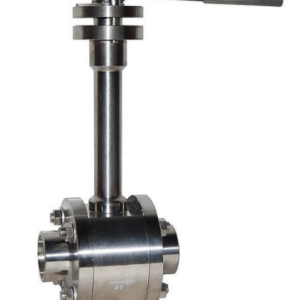
Cryogenic Valve Manufacturer in USA
A cryogenic valve is a special part designed to work in extreme cold. It typically handles media at temperatures below -150°C. This valve is crucial for controlling liquefied gases that would expand or freeze normal valve parts. To maintain safety and performance, a cryogenic valve has an extended bonnet. This feature keeps the stem packing away from the freezing fluid, preventing it from hardening or leaking.
As a leading Cryogenic Valve Manufacturer in USA for Low Temperature, SVR Global ensures this valve features an extended bonnet. This design keeps the stem packing away from the freezing fluid to prevent it from hardening or leaking, ensuring safety in volatile environments.
How does a Cryogenic Valve Work?
A cryogenic valve creates a tight seal under thermal stress. When the valve is closed, the internal disc or wedge stops the flow of the ultra-cold liquid. Gases like nitrogen or LNG expand quickly if warmed up. Therefore, this valve often has a pressure relief hole or a vent in the disc. This design prevents pressure from building up inside the valve cavity. The long neck, or extended bonnet, creates a gas column that insulates the actuator and seals from the extreme cold of the pipeline.
Materials and Construction :
Materials must remain flexible and strong at sub-zero temperatures. We use:
- Stainless Steel: (ASTM A351 CF8M, CF8) for high resistance to corrosion and strength.
- Low Carbon Steel: (LCB, LCC) for moderately low temperatures.
- Specialty Alloys: Hastelloy and Monel for harsh chemical environments.
- Sealing: PTFE, Kel-F, or specialized graphite for tight shut-off.
Types of Cryogenic Valve :
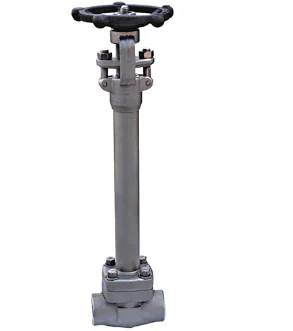
- Cryogenic Gate Valve: Made for full-flow, low-pressure drop applications.
- Cryogenic Globe Valve: Used when precise flow regulation is needed.
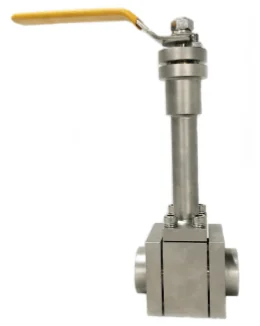
- Cryogenic Ball Valve: Ideal for quick quarter-turn operation and tight sealing.
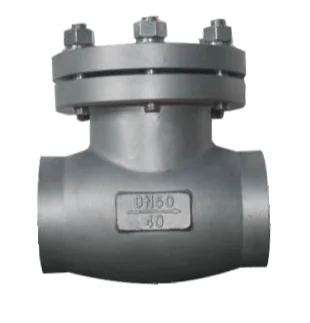
- Cryogenic Check Valve: Prevent backflow in liquid gas lines.
Industry Applications :
A Cryogenic Valve is vital in sectors that handle liquefied gases:
- LNG Industry: For liquefying, transporting, and regasifying natural gas.
- Medical & Research: Handling liquid oxygen, nitrogen, and helium.
- Aerospace: Controlling liquid hydrogen and oxygen rocket fuels.
- Chemical Processing: Managing low-temperature reactive gases.
Standards and Technical Specifications :
SVR Global Cryogenic Valve meets strict global engineering standards:
- Size: DN15 to DN600 (½” to 24”).
- Pressure: Class 150 to 2500.
- Temperature: Down to -196°C.
- Standards: API 600, API 602, ASME B16.34, and BS 6364 (the main standard for cryogenic service).
Inspection and Testing :
Every valve undergoes specific tests to ensure it does not leak:
- Cryogenic Prototype Testing: Submerging the valve in liquid nitrogen to check seal integrity.
- Helium Leak Testing: Using helium gas to find even the smallest leaks.
- Non-Destructive Testing (NDT): Radiography and dye penetrant tests on the valve body.
Special Design Features :
- Extended Bonnet: Keeps the packing area at normal temperature.
- Drip Plate: Prevents condensation and ice from falling onto the insulation.
- Fire-Safe Design: Ensures the valve stays sealed even in high-temperature emergencies.
Why Choose SVR Global Cryogenic Valve?
SVR Global focuses on high-performance valve that prioritizes safety in unstable environments. By combining precise engineering with strict adherence to the BS 6364 testing standard, these valves offer long-term reliability and minimal maintenance for complex liquefied gas systems worldwide.